Qwen Image Layered for Image Deconstruction
Upload one image and Qwen Image Layered pulls it apart into a clean foreground layer and a background layer you can edit, swap, or composite on their own.
background removal
concept art
Image
image to image
qwen
Qwen Image Layered
vfx
289






Nodes & Models
LoadImage
GetImageSize
ImageFromBatch
CLIPLoader
qwen_2.5_vl_7b_fp8_scaled.safetensors
VAELoader
qwen_image_layered_vae.safetensors
UNETLoader
qwen_image_layered_bf16.safetensors
ImageScaleToTotalPixels
CLIPTextEncode
LoraLoaderModelOnly
Qwen-Image-Edit-2511-Lightning-4steps-V1.0-bf16.safetensors
VAEEncode
ModelSamplingAuraFlow
EmptyQwenImageLayeredLatentImage
ReferenceLatent
KSampler
LatentCutToBatch
VAEDecode
PreviewImage
SaveImage
MarkdownNote
QwenImagePrep
QwenImagePrep
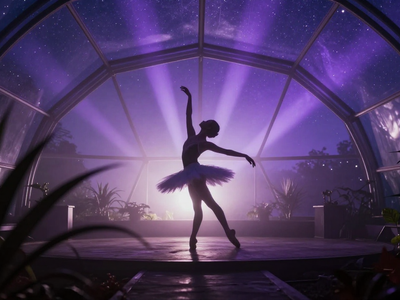
Qwen Image Layered takes a flat image and splits it into separate layers.
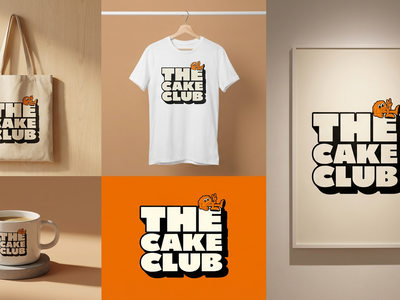
Upload a photo and it returns three things: the original composite, the background on its own, and the foreground on its own. Each one comes back as its own editable image, so you can swap a background, isolate a subject, or rebuild the scene piece by piece.
No prompt needed. Upload, run, and get your layers back.
How do you split an image into layers with Qwen Image Layered?
Upload an image and run it. Qwen Image Layered reads the scene and hands back the foreground and the background as separate images, plus the original. You don't write a prompt. The defaults are set for a two-layer split, so most first runs need nothing more than your image and the run button.
Your image This is the one input that matters. A photo with a clear subject sitting in front of a readable background gives the cleanest split. Busy scenes with no obvious depth are harder for the model to pull apart.
Number of layers The default is two: one foreground, one background. Want to break a scene into more pieces? Raise the layer count and the model will try to separate the image into that many stacked layers, front to back.
Layer index This picks which layer you pull out of the batch. With a two-layer split you get the foreground and the background back automatically. If you bump the layer count higher, change the index to grab each extra layer one at a time.
Resolution The output is set to a square working size by default. Need a larger or differently shaped result? Adjust it before you run. Bigger sizes take longer but hold finer edges around the subject.
Steps and seed A speed LoRA is already loaded, so runs come back quickly. Want to reproduce a split you liked? Lock the seed. Want to try a different separation on a tricky image? Change it and run again. Try a few before you settle.
What is image layer separation good for?
Layer separation is for any job where you need the subject and the background as separate, editable pieces instead of one baked-together image. Think background swaps, clean subject cutouts, relighting, and compositing. You get parts you can move, mask, and rebuild, not a single flat photo.
Background swaps are the obvious one. Pull the foreground off its original background and drop it onto a new one without manual masking. Useful for product shots that need to live on five different backdrops, or a portrait that needs a cleaner setting.
It also helps when you want to rebuild a scene. With the subject and background on their own layers, you can relight one without touching the other, blur the back to fake depth, or paint behind a subject that used to be blocked.
Doing a quick one-off cutout of a simple subject? A plain background removal tool is faster. This workflow earns its place when you want true separated layers you can keep editing, not a single transparent PNG.
FAQ
What does Qwen Image Layered give you back? Three images: the original composite, the background by itself, and the foreground by itself. The background comes back filled in where the subject used to be, so you can reuse it as a clean plate instead of an image with a hole in it.
Can Qwen Image Layered split an image into more than two layers? Yes. Two layers is the default, but you can raise the layer count to break a scene into more stacked pieces, front to back. Then change the layer index to pull each one out. More layers work best on images with clear depth between elements.
Do I need to write a prompt to use Qwen Image Layered? No. This is a prompt-free workflow. The model reads your image and separates it on its own. Your only real input is the image you upload and, if you want, how many layers to split it into.
What kind of images work best for layer separation? Photos with a clear subject and a readable background separate the cleanest. A person, product, or object sitting in front of a distinct scene gives the model obvious depth to work with. Flat images with no clear front and back are the hardest to split well.
How to run Qwen Image Layered online? You can run Qwen Image Layered online through Floyo. No installation, no setup. Open the workflow in your browser, upload your inputs, and hit run. Free to try.
Read more