Topaz Image Face Upscale
Upscale any photo with built-in face recovery using the Topaz Labs API. Upload an image, pick a scale factor, and hit run.
Face Upscale
Image to Image
Topaz
47





Nodes & Models
TopazImageFaceUpscale_floyo
LoadImage
PreviewImage
ABOUT THE WORKFLOW
Upscale a Photo with Face Recovery
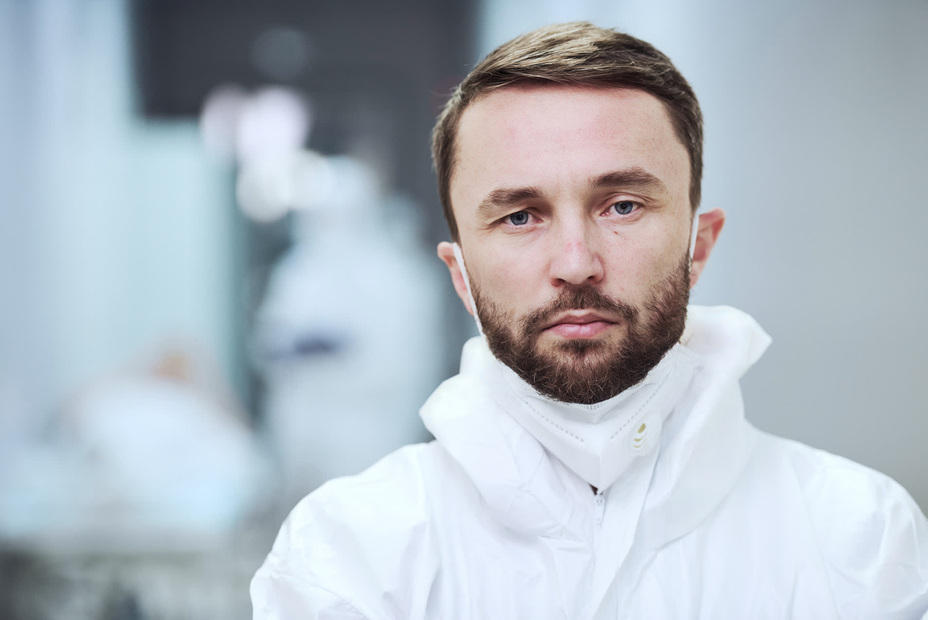
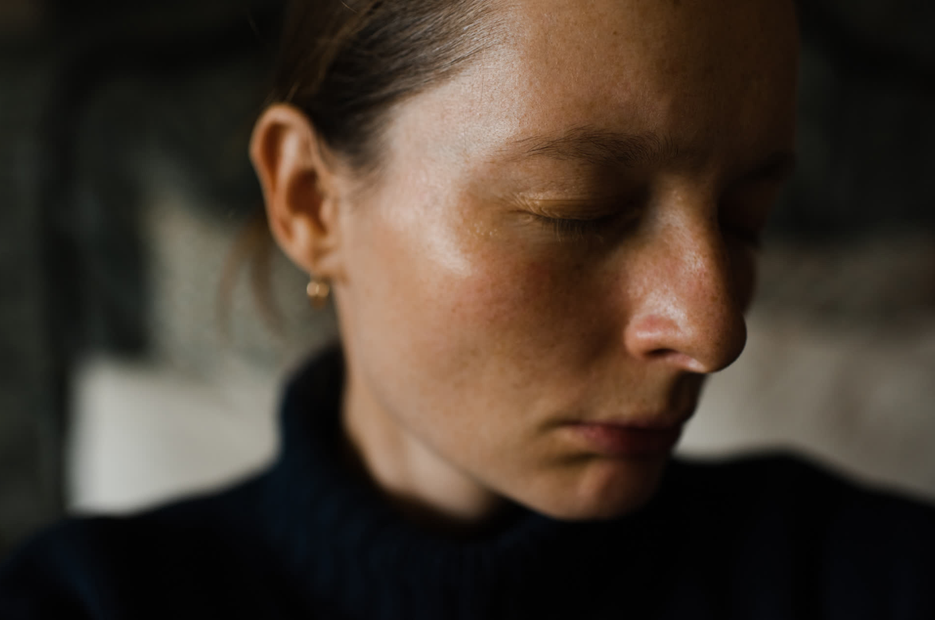
Upload a photo and the workflow enlarges it while sharpening faces in a single pass. It sends your image to the Topaz Labs upscaling API, which reconstructs detail in skin, eyes, and hair that a standard upscaler would smear. You get one high-resolution image back.
Partner node. This workflow calls an external API, so each run uses credits from your API wallet. No API key needed. Floyo handles the connection.
Model
Topaz Image Upscale by Topaz Labs. A proprietary upscaling API with built-in face recovery, strong at enlarging portraits and group shots while keeping facial detail sharp.
HOW IT WORKS
Step 1. Upload your image
The photo you want to upscale. Portraits, headshots, and group photos get the most benefit from the face enhancement pass.
Works great with: portraits · headshots · group shots · event photos
Step 2. Hit run and download
The image is sent to Topaz, upscaled, and returned with sharpened faces. Preview it in the workflow, then right-click to save.
Ready for: Photoshop · Lightroom · Figma · print
First time? Leave every setting as-is. The defaults (Detail model, 2x, JPEG) are the right starting point for almost everyone.
RECOMMENDED SETTINGS
Quick-start guide. Find the goal that matches yours and copy the settings.
Standard upscale (most people) — Detail model, 2x, JPEG. The right starting point for almost everyone.
Need a larger enlargement — Raise the upscale factor to 4x or 6x. Output file size and API cost scale with the output megapixels.
Want lossless output — Switch output format to PNG. Larger file, no compression artifacts.
Need a fixed aspect ratio — Turn on crop to fill. The output will be cropped to a target frame instead of keeping the original proportions.
Faces still look soft — Start with a higher-resolution original. The model sharpens what is already there; a very small or heavily compressed source gives it less to work with.
Upscaling non-portrait images — This workflow includes face enhancement. For landscapes, products, or text-heavy images without faces, a standard Topaz upscale workflow may produce cleaner results.
Prompt: No prompt needed. This workflow takes an image and settings only. The Topaz API handles everything automatically.
LEARN
📹 Videos
ComfyUI 101 Free Course ft. Sebastian Kamph
Floyo 101 for Team Collaboration
✨ Quick links
USE CASES
📸 Portrait & Headshot Photography
Upscale client headshots or portrait sessions to print resolution while recovering fine detail in eyes, skin, and hair.
👥 Event & Group Photos
Rescue low-resolution event photos where multiple faces need to hold up at a larger size.
🖨️ Print Preparation
Take a web-resolution image and scale it to print-ready dimensions without the soft, blurry look of standard resampling.
🎬 Post-Production Cleanup
Upscale film stills, behind-the-scenes shots, or video frame grabs where faces need to stay sharp at a higher resolution.
WHAT WORKS BEST / WHAT TO AVOID
✅ Works great
Portraits and headshots with visible faces
Group photos at moderate resolution
Well-lit, in-focus originals
JPEG and PNG source files
⚠️ May produce softer results
Extremely low-resolution or heavily compressed sources
Images with no faces (use a standard upscale workflow instead)
Heavy motion blur across the face
Heavily composited or AI-generated faces with existing artifacts
FAQ
What is Topaz image upscaling and how does face enhancement work?
Topaz image upscaling is a proprietary API by Topaz Labs that enlarges photos using AI trained on real-world image data. The face enhancement pass detects faces in the image and reconstructs fine detail in skin, eyes, and hair that a generic upscaler would smooth over. It runs in a single pass alongside the upscale, so you do not need a separate tool for face recovery.
What is the difference between the Detail model and other Topaz models?
The Detail model sharpens edges and textures during the upscale, which makes it a good default for portraits. Topaz also offers Standard V2 for general use, Low Resolution V2 for very small originals, CGI for digital art, High Fidelity V2 for preserving fine detail without adding sharpness, and Text Refine for images with readable text. This workflow defaults to Detail because it pairs well with face-heavy images.
How much does each run cost?
Topaz bills by output megapixels, not per image. A 2x upscale of a 1080p photo costs less than a 4x upscale of the same image. Each run draws credits from your API wallet, and the cost scales with the output resolution you choose.
Can I use Topaz upscaled images for commercial projects?
Yes. Topaz Labs allows commercial use of images processed through their API. You retain the rights to your input image, and the upscaled output carries no additional licensing restriction from Topaz. Review their current terms for the latest details.
Is Topaz face upscale better than open-source upscalers like Real-ESRGAN?
Topaz is a proprietary model trained specifically for photo enhancement with a dedicated face recovery pass. Open-source upscalers like Real-ESRGAN and GFPGAN work well for general upscaling and face restoration respectively, but typically require chaining two models together. Topaz handles both in one pass and tends to produce more natural-looking skin and eye detail in portraits. The tradeoff is cost per run versus running open-source models on your own hardware.
Does the output have a watermark?
No. Topaz does not add a visible or invisible watermark to API output. The image you get back is a clean upscaled version of your input.
How to run Topaz image face upscale online?
You can run Topaz image face upscale online through Floyo. No installation, no setup, no API key to wire up. Open the workflow in your browser, upload your image, and hit run. Free to try.
WHY FLOYO?
Floyo is the only platform with team collaboration for ComfyUI in the browser. You run workflows with no install. You share run history, assets, and models across your team. You pay only when you generate. Floyo supports open-source and closed-source models.
A designer runs an edit and likes the result. A teammate opens that exact run from shared history and keeps going. No file handoffs. No version confusion.
For studios and enterprise teams, Floyo adds private workspaces, pooled resources, and a team usage dashboard. Other ComfyUI cloud tools run for one person at a time. Floyo runs for the whole team, with transparent per-generation costs.
Ready to try it?
Upload a photo and upscale it. The settings are already set.
Questions? Watch the free course or check the FAQ above.
Read more