Topaz Image Upscale Creative
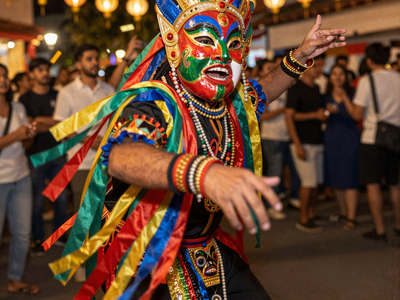
Upscale any image up to 6x with Topaz Bloom 2, a diffusion-based creative upscaler that generates new detail as it enlarges. Upload an image, pick a scale factor, and hit run.
Creative Upscale
Image
Image to Image
Topaz
Upscale
55




Nodes & Models
TopazImageUpscaleCreative_floyo
LoadImage
PreviewImage
ABOUT THE WORKFLOW
Upscale an Image
Upload a photo or AI image, pick a scale factor, and get a larger, sharper version back. Bloom 2 uses diffusion to generate new detail, texture, and sharpness as it enlarges, rather than interpolating existing pixels. That's it.
Partner node. This workflow calls an external API, so each run uses credits from your API wallet. No API key needed. Floyo handles the connection.
Model
Topaz Bloom 2 by Topaz Labs. A creative upscaler built for AI-generated images, portraits, and artwork. It invents realistic texture, skin detail, hair, and fabric as it enlarges, using diffusion rather than interpolation.
HOW IT WORKS
Step 1. Upload your image
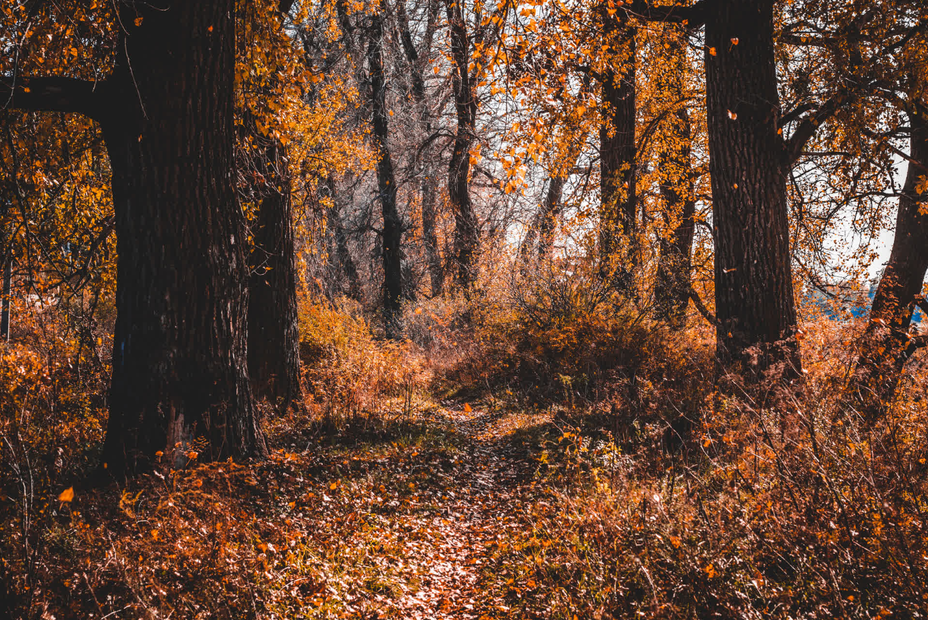
The photo or AI image you want to enlarge. JPEG and PNG supported. Source quality matters more than target size: a sharp small image gives better results than a large blurry one.
Works great with: AI art · portraits · illustrations · CG renders
Step 2. Hit run
The model and settings are already configured. For a first run, change nothing. Bloom 2 reads the image, generates new detail, and returns the upscaled result.
Step 3. Download the result
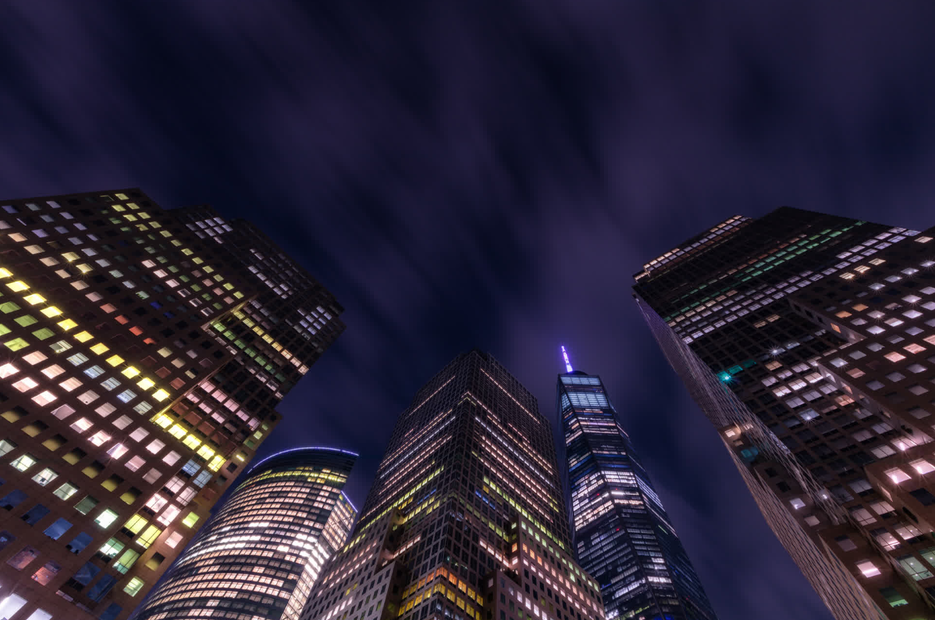
Preview the upscaled image in the workflow. Right-click the preview to save, or add a SaveImage node for automatic output.
Ready for: Photoshop · Figma · Canva · any editor
First time? Leave every setting as-is. The defaults (Bloom 2 · 2x · JPEG) are the right starting point for almost everyone.
RECOMMENDED SETTINGS
Quick-start guide. Find the goal that matches yours and copy the settings.
Standard upscale (most people) — Bloom 2 · 2x · JPEG · crop off. The right starting point for almost everyone.
Quick test before committing — Bloom 2 · 2x · JPEG. A 2x run is the fastest way to check how Bloom 2 handles your image before going higher.
Large print or high-res deliverable — Bloom 2 · 4x or 6x · PNG. Use a higher factor when the output needs to hold up at large display sizes. PNG preserves quality for post-processing.
Need lossless output — Switch output format to PNG. JPEG is smaller but lossy. PNG keeps every pixel intact for further editing.
Filling a fixed frame — Turn crop to fill on. The output is cropped to fill a target aspect ratio instead of preserving the full image.
Result looks soft or has artifacts — Start with a sharper source image. A clean input beats a higher scale factor. Bloom 2 adds creative detail, so it works best when the source gives it good information to build on.
Prompt: No prompt needed. This workflow is image-in, image-out. The model reads the image and generates detail based on what it sees. The only controls are the scale factor and output format.
LEARN
📹 Videos
ComfyUI 101 Free Course ft. Sebastian Kamph
Floyo 101 for Team Collaboration
✨ Quick links
USE CASES
🎨 AI Artists & Illustrators
Upscale Midjourney, Flux, or Stable Diffusion outputs to print resolution with added creative detail that matches the original style.
📸 Photographers
Enlarge low-resolution photos for large prints, gallery submissions, or client deliverables without the soft, smeared look of standard interpolation.
🎮 Game & 3D Artists
Upscale textures, concept art, and CG renders for asset pipelines that need higher resolution source material.
🛍️ E-commerce & Marketing
Enlarge product photos and campaign visuals to hero-image sizes for web and print, keeping detail sharp across the frame.
WHAT WORKS BEST / WHAT TO AVOID
✅ Works great
AI-generated images and illustrations
Portraits with skin, hair, and fabric detail
CG renders and digital artwork
Well-lit, clean source images
⚠️ May produce softer results
Documents, text, and diagrams (Bloom 2 invents texture, which hurts precision)
Heavily compressed or blurry source images
Extreme low-light or noisy photos
Images where pixel-accurate reproduction matters more than creative enhancement
FAQ
What is Topaz Bloom 2 and how does it differ from standard upscalers?
Topaz Bloom 2 is a creative upscaling model by Topaz Labs that uses diffusion to generate new detail as it enlarges an image. Standard upscalers interpolate between existing pixels, which tends to produce smooth, soft results at high scale factors. Bloom 2 invents plausible texture, skin detail, fabric, and hair, so the output reads as a higher-resolution original rather than a stretched version. It works best on AI-generated images, portraits, and artwork.
What is the difference between Topaz Bloom 2 and Topaz Gigapixel?
Gigapixel is built for natural, high-fidelity upscaling where the goal is photorealistic accuracy. Bloom 2 is a creative upscaler that adds new detail and visual elements, which makes it stronger for AI art, illustrations, and portraits where invented texture improves the result. If you need the output to stay as close as possible to the original, Gigapixel is the better fit. If you want the image to gain detail and sharpness it did not originally have, Bloom 2 is the right choice.
What resolution and scale factor should I use for print?
For a standard print at 300 DPI, calculate the output size you need and work backward. A 1024px source image at 4x gives you 4096px, which prints at about 13.6 inches wide at 300 DPI. The maximum scale factor is 6x. Start at 2x for screen use, step up to 4x for large prints, and go to 6x only when you need the extra pixels. Higher factors cost more per run.
Can I use Topaz Bloom 2 outputs for commercial projects?
Topaz Bloom 2 is a proprietary model by Topaz Labs. Commercial use of the upscaled output is permitted under their terms. Make sure you hold the rights to the source image you upload. The model processes your image on Topaz servers via API and returns the result.
Does Topaz Bloom 2 work well on photos, or is it only for AI art?
Bloom 2 was designed for AI-generated images and artwork, where its creative detail generation is a strength. It does work on photos, and it handles portraits and well-lit scenes well. For photos where strict photorealistic accuracy matters more than creative enhancement, a standard or realism-focused upscaler may give tighter results. Bloom 2 shines when you want the image to gain detail it did not originally have.
Why does my upscaled image have artifacts or invented detail I did not want?
Bloom 2 is a generative model. It adds plausible detail based on what it sees in the image. On documents, diagrams, or text, that creative detail can show up as unwanted texture or distortion. If you need pixel-accurate enlargement for those use cases, a non-generative upscaler is a better match. For portraits, artwork, and AI images, the generated detail is usually a clear improvement.
How to run Topaz Bloom 2 online?
You can run Topaz Bloom 2 online through Floyo. No installation, no setup, no API key to wire up. Open the workflow in your browser, upload your image, and hit run. Free to try.
WHY FLOYO?
Floyo is the only platform with team collaboration for ComfyUI in the browser. You run workflows with no install. You share run history, assets, and models across your team. You pay only when you generate. Floyo supports open-source and closed-source models.
A designer runs an edit and likes the result. A teammate opens that exact run from shared history and keeps going. No file handoffs. No version confusion.
For studios and enterprise teams, Floyo adds private workspaces, pooled resources, and a team usage dashboard. Other ComfyUI cloud tools run for one person at a time. Floyo runs for the whole team, with transparent per-generation costs.
Ready to try it?
Upload an image and run it. The model and settings are already set.
Questions? Watch the free course or check the FAQ above.
Read more

_1786518453053.png?width=400&height=300&quality=80&resize=cover)