Qwen Multiangle Light · Image to Image For Anime
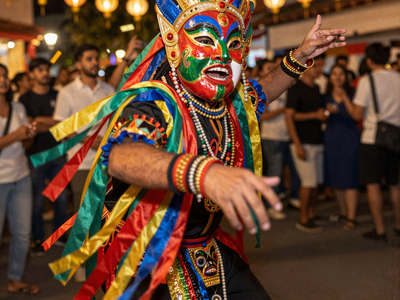
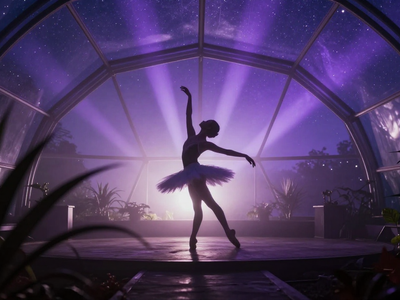
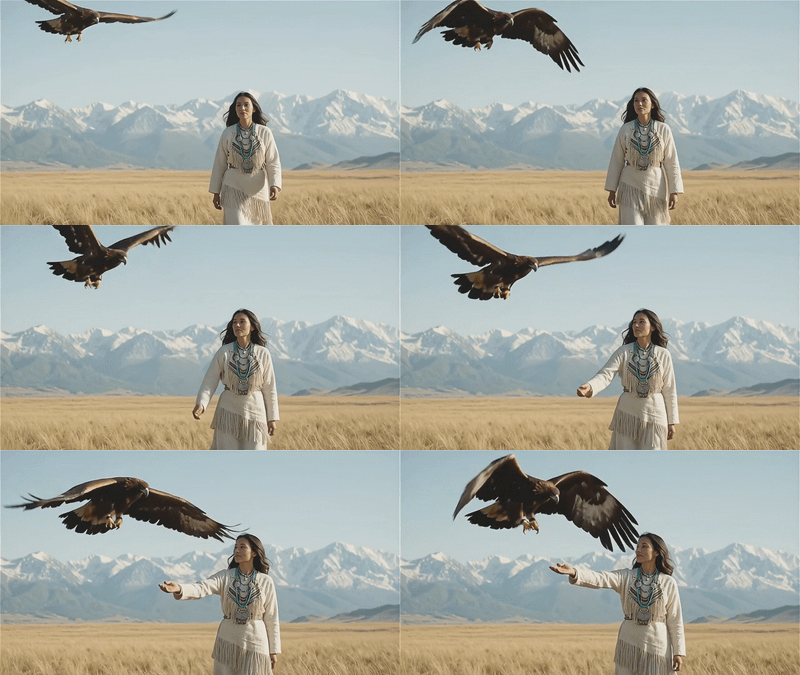
Upload one image and this workflow generates five relighted versions simultaneously, each lit from a different angle and direction, with full control over azimuth, elevation, intensity, and color.
Image
image to image
multiangle
qwen image edit
relighting
166
_1783605502902.png?width=1400&height=620&quality=80&resize=contain)
_1783605502902.png?width=1400&height=620&quality=80&resize=contain)
_1783605502902.png?width=1400&height=620&quality=80&resize=contain)
_1783605502902.png?width=104&height=104&quality=80&resize=cover)
_1783605502902.png?width=104&height=104&quality=80&resize=cover)
_1783605502902.png?width=104&height=104&quality=80&resize=cover)
Nodes & Models
LoadImage
UNETLoader
qwen_image_edit_2511_bf16.safetensors
CLIPLoader
qwen_2.5_vl_7b_fp8_scaled.safetensors
VAELoader
qwen_image_vae.safetensors
Note
LoraLoaderModelOnly
Qwen-Image-Edit-2511-Lightning-4steps-V1.0-fp32-qwen-multiangle-light-wi-PuVT6Bmo.safetensors
QwenMultiangleLightningNode
ModelSamplingAuraFlow
CFGNorm
VAEDecode
KSampler
ImageScaleToTotalPixels
VAEEncode
easy showAnything
easy promptList
PreviewImage
FluxKontextMultiReferenceLatentMethod
TextEncodeQwenImageEditPlus
FloyoStickyNote
ABOUT THE WORKFLOW
Relight an Image from Five Angles at Once
Upload a single image. The workflow generates five versions in parallel, each with a different light source position. Light azimuth, elevation, intensity, and color are set independently for each output. A cinematic mode applies rim lighting and hair light separation. Every run produces five fully lit variations from one source image in a single pass.
Model
Qwen Image Edit 2511 (bf16) by Alibaba. A multi-reference image editing model with a Multiangle Lightning LoRA applied for physically accurate relighting from spherical coordinates. Paired with a Lightning LoRA for 4-step generation.
Qwen Multiangle Lightning LoRA. Trains the model to interpret azimuth, elevation, and intensity as light position descriptors and apply them to the image's surface normals.
HOW IT WORKS
Step 1. Upload your image
The image you want to relight. Works best with portraits, product shots, and objects with visible surface geometry.
Works great with: portraits · product photos · character renders · still life · fashion photography
Step 2. Set light parameters for each angle
Each of the five nodes has independent controls:
Azimuth (0–360°): the horizontal direction of the light. 0° is front, 90° is right, 180° is back, 270° is left.
Elevation (−90° to 90°): the vertical angle. 90° is directly above, −90° is below, 0° is horizontal.
Intensity (0–10): how bright the light is.
Color (hex code): the light color.
#FFFFFFfor white,#FFD700for warm gold,#87CEEBfor cool blue.
Step 3. Hit run
All five relighting nodes run in parallel. Each generates a fully relighted version of your image in 4 steps.
Step 4. Preview and download
The five outputs display side by side. Download the versions that work for your project.
Ready for: Photoshop · Figma · product listings · editorial · e-commerce · presentations
First time? Upload an image and hit run. The five default light positions (side key, high back, rim left, front fill, overhead) give you a usable starting spread.
RECOMMENDED SETTINGS
Quick-start guide. Find the goal that matches yours and copy the settings.
Standard five-angle spread — Leave all defaults. The five nodes are preset to side key (85°/−10°/7.2), high backlight (206°/−53°/4.3), rim left (281°/−2°/2.8), front fill (171°/−2°/2.9), and overhead (103°/90°/3.4). Upload your image and run.
Warm golden hour light — Set light_color_hex to
#FFD700or#FFA500. Lower intensity to 4 to 5. Set elevation to −10° to −20° for a low sun angle.Cool studio rim light — Set light_color_hex to
#87CEEB. Set azimuth to 270° for left rim or 90° for right rim. Set elevation to 0° for a horizontal rim.Dramatic back light / silhouette — Set azimuth to 180°. Lower elevation to −30° to −50°. Set intensity to 6 to 8 for strong backlight.
Flat even product lighting — Set all five nodes to similar elevations (around 0°) spread evenly around the azimuth (0°, 72°, 144°, 216°, 288°). Lower intensity to 3 to 4 for even coverage.
Single color wash — Set the same hex color across multiple nodes. A warm amber wash from different angles produces a cohesive atmospheric effect.
Prompt: The prompts are generated automatically from the azimuth, elevation, intensity, and color values. The workflow translates these into descriptive relighting instructions. Leave the prompt node alone unless you want to write a manual override.
LEARN
📹 Videos
ComfyUI 101 Free Course ft. Sebastian Kamph
Floyo 101 for Team Collaboration
✨ Quick links
USE CASES
📸 Portrait Relighting
Generate multiple lighting setups for a portrait from one photo: side key, backlight, rim, and overhead, without a studio or reshoot.
🛍️ Product Photography Lighting
Produce five lighting variations of a product shot for different channels and contexts, from soft front fill to dramatic rim light, in a single run.
🎨 Character and Concept Art
Test how a character or scene reads under different lighting directions for mood, time of day, and atmosphere without redrawing.
🏠 Architectural and Interior Visualization
Explore how an interior or exterior looks under different sun angles and times of day from a single rendered or photographed image.
WHAT WORKS BEST / WHAT TO AVOID
✅ Works great
Well-lit source images with clear subject geometry and defined surfaces
Portraits with visible facial structure
Product shots on clean backgrounds where light reflections are natural
Images with existing strong lighting (the model can shift the light direction from a reference)
⚠️ May produce softer results
Very flat, evenly lit images with no surface detail (less for the model to relight)
Images with heavy compositing or unrealistic rendering (the model expects natural surface normals)
Extremely low-resolution or blurry source images
Heavy bokeh or depth-of-field blur in the foreground
FAQ
What is the Qwen Multiangle Lightning LoRA?
The Multiangle Lightning LoRA is a LoRA adapter trained on Qwen Image Edit 2511 that teaches the model to interpret azimuth, elevation, intensity, and color as a physically described light source position. The workflow converts the numeric values you set into a text description, and the LoRA applies the corresponding light to the image's surfaces while preserving identity, pose, and background.
What do azimuth and elevation mean for light positioning?
Azimuth is the horizontal direction of the light around the subject, measured in degrees (0° = front, 90° = right, 180° = back, 270° = left). Elevation is the vertical angle (0° = horizontal, 90° = directly above, −90° = directly below). Combining them lets you place a light anywhere on a sphere around the subject.
Can I relight portraits without changing the face or background?
Yes. The Multiangle Lightning LoRA is designed to lock the subject, pose, and background (SCENE LOCK, FIXED VIEWPOINT) and apply relighting only. The cinematic mode adds rim lighting and hair light separation while preserving facial identity.
What is cinematic mode?
Cinematic mode adds rim lighting, hair light separation, and atmospheric depth to the relighting. It is on by default. Turn it off for flatter, more product-photography-style output.
Can I use colored lights for creative effects?
Yes. Set the light_color_hex to any hex code. #FF4500 for warm orange sunset, #0000FF for cold blue night, #FFD700 for warm golden hour. The model applies the color to the light source while keeping the subject's natural skin and material colors visible in shadow.
Is Qwen Image Edit 2511 licensed for commercial use?
Yes. Qwen Image Edit 2511 is open-source by Alibaba. The Multiangle Lightning LoRA has its own license terms. Check each component's license on its model page for commercial use in your specific project.
How to run AI relighting online?
You can run AI relighting online through Floyo. No installation, no setup, no local GPU needed. Open the workflow in your browser, upload your image, set the light angles, and hit run. Free to try.
WHY FLOYO?
Floyo is the only platform with team collaboration for ComfyUI in the browser. You run workflows with no install. You share run history, assets, and models across your team. You pay only when you generate. Floyo supports open-source and closed-source models.
A designer runs an edit and likes the result. A teammate opens that exact run from shared history and keeps going. No file handoffs. No version confusion.
For studios and enterprise teams, Floyo adds private workspaces, pooled resources, and a team usage dashboard. Other ComfyUI cloud tools run for one person at a time. Floyo runs for the whole team, with transparent per-generation costs.
Ready to try it?
Upload an image, set the five light positions, and hit run. Five relighted versions generate in one pass.
Questions? Watch the free course or check the FAQ above.
Read more