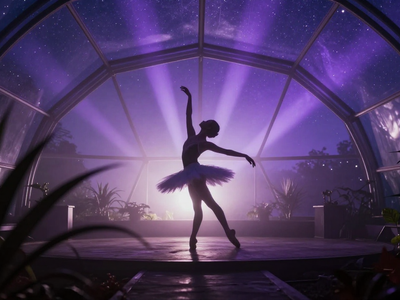
PixVerse C1 - Text to Video
Generate cinematic video from text with PixVerse C1. Up to 1080p, up to 15 seconds, with optional native audio synchronized in the same generation pass.
film production
pixverse
pixverse c1
text to video
vfx
Video
video generation
1
221



PixVerse C1 text-to-video with optional native audio in one pass.
Write a prompt describing the scene, camera, and mood. Pick your aspect ratio, resolution, and duration. Toggle audio on if you want synchronized sound generated with the video.
Up to 1080p. Up to 15 seconds.
How do you use PixVerse C1 for text-to-video?
Write a detailed prompt covering subject, setting, camera, and mood. Choose an aspect ratio for your platform, a resolution that matches your delivery, and a duration between 1 and 15 seconds. Toggle audio on when you want ambient sound generated in the same pass. Hit run.
Prompt Describe what you want to see in one paragraph. Subject, setting, camera behavior, mood, lighting. Want a locked-off wide? Say so. Want a slow push-in with a handheld feel? Write it in. PixVerse C1 follows camera direction more closely than most text-to-video models, so naming the shot gets you a shot.
Aspect ratio Making a YouTube cut? 16:9. Reels or TikTok? 9:16. Square feed post? 1:1. C1 also supports 4:3, 3:4, 3:2, 2:3, and 21:9 when you need a specific format.
Resolution Four tiers: 360p, 540p, 720p, 1080p. Want to iterate on prompts fast and cheap? Stay at 360p or 540p until the motion looks right. Need a final render? Bump to 1080p once the winning prompt is locked.
Duration Set it anywhere from 1 to 15 seconds. Shorter clips render faster and tend to stay cleaner. Use 3 to 5 seconds for ideation, then extend the clip that works once you know what you want.
Audio switch Leave it off for a silent clip you'll score later. Flip it on to generate synchronized ambient sound in the same pass. Rain on pavement, crowd noise, footsteps, engine rumble. Whatever fits the scene you prompted. Cheaper than running sound design as a separate step.
Seed Randomize by default. If you land on a clip you like and want to iterate around it (new prompt, same composition direction), lock the seed and change one variable at a time.
What is PixVerse C1 good for?
PixVerse C1 is built for cinematic, motion-heavy scenes where physical weight and camera behavior matter. Action sequences, VFX-driven shots, atmospheric environments, and multi-shot narrative work. Strong prompt adherence means the scene you describe is closer to the scene you get. Less suited for talking-head videos or plain product demos.
Use it when the shot is cinematic. Atmospheric establishing shots, short narrative beats, film-style scenes with weather and lighting. The rain-soaked Manhattan taxi prompt in the defaults is exactly the kind of thing C1 renders well.
Reach for it on action work where other text-to-video models fall apart. Physics-aware motion handling means punches connect, fabric moves with weight, and particle effects react to the environment instead of floating. If you make fight scenes, combat choreography, or stunt-driven content, this is the model tuned for it.
Native audio makes it a one-pass tool for sound-on social cuts. No separate Foley, no extra call for a matching audio track.
Skip it for talking-head clips or static product shots. PixVerse V6 handles those workflows better.
FAQ
How long can a PixVerse C1 video be? One to 15 seconds. Short clips render faster and tend to look cleaner, so most people prompt for 3 to 5 seconds while iterating, then extend the version they like. Longer durations are where C1 holds subject consistency better than most other text-to-video models.
Can PixVerse C1 generate audio? Yes. Flip the audio switch on and C1 produces synchronized ambient sound in the same generation pass. That covers rain, footsteps, crowd hum, engine sounds, weather. No separate sound design workflow, no post-production mixing to get a sound-on clip ready for social.
What resolutions does PixVerse C1 support? Four tiers: 360p, 540p, 720p, and 1080p. Lower resolutions cost less and render faster, which makes them right for prompt iteration. Once you lock a composition you like, bump to 720p or 1080p for final delivery.
What is the difference between PixVerse C1 and PixVerse V6? C1 is built for cinematic and action work: physics-accurate motion, stronger camera control, VFX and atmospheric scenes, longer-range coherence. V6 handles simpler setups better, like talking-head clips and product shots. Reach for C1 when the shot has motion, weight, or VFX in it.
How to run PixVerse C1 online? You can run PixVerse C1 online through Floyo. No installation, no setup. Open the workflow in your browser, upload your inputs, and hit run. Free to try.
Read more
%20(1)_1775891000879.webp?width=400&height=300&quality=80&resize=contain&format=origin)

%20(2)_1774290976171.webp?width=400&height=300&quality=80&resize=contain&format=origin)