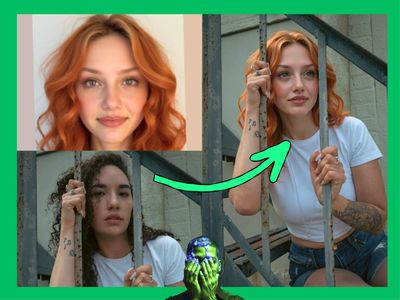
Luma Uni-1 Max for Text to Image
Generate high-fidelity images with Luma Uni-1 Max, a reasoning-first image model. Write a prompt, add reference images to guide the result, and hit run.
Image
Luma Uni-1 Max
T2I
61
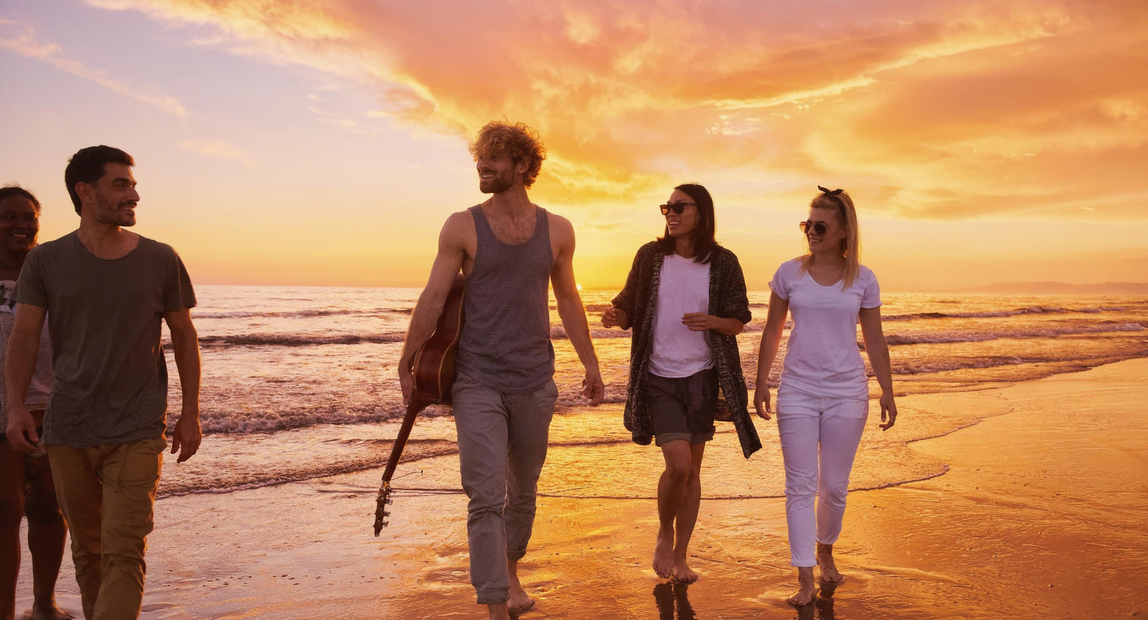
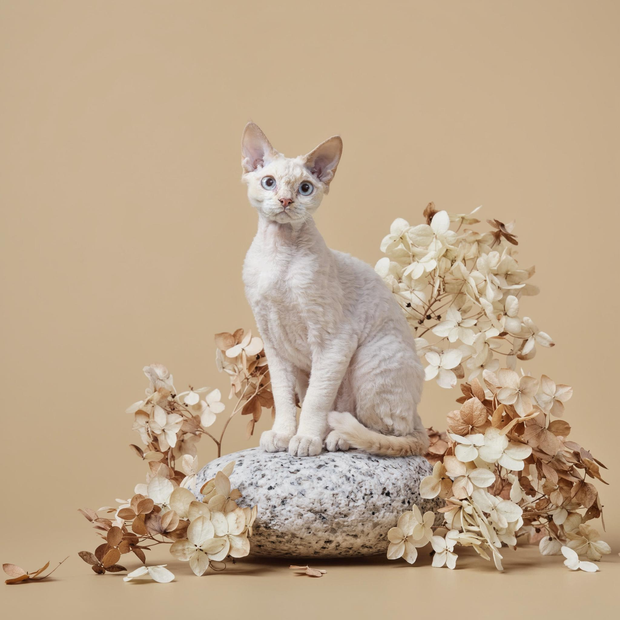


Nodes & Models
LumaUni1MaxTextToImage_floyo
LoadImage
PreviewImage
ABOUT THE WORKFLOW
Generate an Image
Write a prompt describing the image you want. Optionally upload reference images for people, scenes, style, or composition. The model reasons through your prompt before rendering, so complex multi-part descriptions land accurately. You get one finished image per run.
Partner node. This workflow calls an external API, so each run uses credits from your API wallet. No API key needed. Floyo handles the connection.
Model
Luma Uni-1 Max by Luma AI. A reasoning-first image model that plans composition before it renders. Strong at complex prompts, reference-guided generation, accurate text in images, and spatial reasoning across multiple subjects.
HOW IT WORKS
Step 1. Write your prompt
Describe the image you want. Be specific about subjects, setting, lighting, and composition. If you are using reference images, name them in the prompt: "the person in reference_image_1 standing in the scene from reference_image_2."
Works great with: scenes · portraits · product shots · concept art
Step 2. Add reference images (optional)
Upload up to 9 reference images to guide the output. Use them for people you want to include, a scene to place them in, a style to match, or a composition to follow. Two image slots are connected by default.
Step 3. Set your aspect ratio
Pick from 16:9, 1:1, 9:16, 3:2, 2:3, and more. Choose 16:9 for cinematic shots, 1:1 for social posts, 9:16 for stories and vertical content.
Step 4. Hit run and download
The model reasons through your prompt, plans the composition, then renders a 2K image. Preview it in the workflow, then right-click to save.
Ready for: Photoshop · Figma · Canva · any editor
First time? Leave every setting as-is. The defaults (16:9 · auto style · web search off · JPEG) are the right starting point for almost everyone.
RECOMMENDED SETTINGS
Quick-start guide. Find the goal that matches yours and copy the settings.
Standard generation (most people) — 16:9 · auto style · web search off · JPEG. The right starting point for almost everyone.
Social media post or profile image — 1:1 aspect ratio. Square output sized for Instagram, LinkedIn, or avatars.
Vertical content for stories or reels — 9:16 aspect ratio. Tall frame for mobile-first platforms.
Matching a specific visual style — Upload a style reference image and name it in the prompt: "in the style of reference_image_1." Leave style set to auto.
Compositing people into a scene — Upload the people in one reference image, the scene in another. Write the prompt to place them: "the two people in reference_image_1 sitting at the cafe in reference_image_2."
Generating an image of a real place — Turn web search on. The model looks up visual context for real-world locations and landmarks.
The result does not match your prompt — Add more detail to the prompt. This model responds well to specific descriptions of position, lighting, and framing. Vague prompts produce vague results.
Prompt: Be direct about what is in the scene and where. "A woman in a red coat walking through a snowy park at dusk, shot from behind, wide angle" is better than "woman in park." When using references, name each one and say what role it plays: "the person in reference_image_1 wearing the outfit from reference_image_3."
Web search: Off by default. Turn it on when your prompt mentions a real place, public figure, or specific product where the model benefits from looking up how it looks.
LEARN
📹 Videos
ComfyUI 101 Free Course ft. Sebastian Kamph
Floyo 101 for Team Collaboration
✨ Quick links
USE CASES
🎨 Concept Art and Mood Boards
Describe a scene with specific lighting, environment, and characters. Add style references to lock in a visual direction. Get a polished concept frame in seconds instead of hours.
👥 Character-Consistent Scenes
Upload a reference photo of a person and place them into different scenes across multiple runs. The model reads the reference and keeps the subject recognizable.
📱 Social Media and Marketing Assets
Generate on-brand visuals in the right aspect ratio for each platform. Use a brand image as a style reference so the output matches your look.
🏗️ Architectural and Interior Visualization
Describe a space, add a reference photo of materials or style, and generate a visualization. Works well for early-stage concepts before committing to a full 3D render.
🔤 Images with Readable Text
The model renders text in images more accurately than most generators. Describe signage, labels, or titles in your prompt and they will appear legibly in the output.
WHAT WORKS BEST / WHAT TO AVOID
✅ Works great
Detailed, specific prompts with clear subject placement
Reference images with distinct subjects or scenes
Multi-part prompts describing several elements in one frame
Prompts that name each reference image and its role
⚠️ May produce softer results
Vague one-line prompts with no composition direction
More than 4-5 reference images at once (adds cost and can dilute focus)
Conflicting style cues across multiple references
Speed-sensitive workflows (the reasoning pass adds latency)
FAQ
What is Luma Uni-1 Max and how is it different from other image models?
Luma Uni-1 Max is a reasoning-first image model made by Luma AI. Instead of jumping straight from prompt to pixels, it plans the composition before rendering. That means complex prompts with multiple subjects, spatial relationships, and specific placement land more accurately than with standard diffusion models. It also supports up to 9 reference images to guide the output.
How do reference images work in Luma Uni-1 Max?
You upload images and refer to them by name in your prompt. For example: "the person in reference_image_1 standing in the cafe from reference_image_2." The model reads each reference for the visual information you point it to, whether that is a person, a scene, a style, or a texture. Two image slots are connected by default, and you can add up to 9 total.
Can Luma Uni-1 Max render text accurately in images?
Yes. Accurate text rendering is one of the model's strengths. It handles multilingual text, signage, labels, and titles better than most image generators. Spell out the exact words you want in your prompt.
What resolution does Luma Uni-1 Max output?
The model outputs at 2K resolution (2048px on the long edge) across all supported aspect ratios, including 16:9, 1:1, 9:16, 3:2, 2:3, and more. The output is high enough fidelity for hero imagery, social posts, and presentation decks. For print at large sizes, you may want to upscale after.
Is Luma Uni-1 Max open source or closed source?
Luma Uni-1 Max is closed source and API-only. Luma AI has not released open weights. Each run costs credits from your API wallet, and the workflow handles the API connection for you.
Can I use Luma Uni-1 Max images commercially?
Commercial use is governed by Luma AI's terms of service, not an open license. Commercial use is generally allowed under those terms. Review Luma AI's current terms for your specific use case, and make sure you have the rights to any reference images you upload.
How to run Luma Uni-1 Max online?
You can run Luma Uni-1 Max online through Floyo. No installation, no setup, no API key to wire up. Open the workflow in your browser, write your prompt, add references if you want, and hit run. Free to try.
WHY FLOYO?
Floyo is the only platform with team collaboration for ComfyUI in the browser. You run workflows with no install. You share run history, assets, and models across your team. You pay only when you generate. Floyo supports open-source and closed-source models.
A designer runs an edit and likes the result. A teammate opens that exact run from shared history and keeps going. No file handoffs. No version confusion.
For studios and enterprise teams, Floyo adds private workspaces, pooled resources, and a team usage dashboard. Other ComfyUI cloud tools run for one person at a time. Floyo runs for the whole team, with transparent per-generation costs.
Ready to try it?
Write a prompt, add a reference image if you have one, and hit run.
Questions? Watch the free course or check the FAQ above.
Read more