Kling v4.0 · Image to Video
Animate any image into a video with sound using Kling v4.0 by Kuaishou. Upload a start frame, describe the motion, and hit run.
image to video
kling v4
video generation
93
Nodes & Models
KlingV4ImageToVideo_floyo
SaveVideoURL
LoadImage
ABOUT THE WORKFLOW
Animate a still image
Upload an image as the first frame and describe how it should move. Kling v4.0 animates it into a video with sound. Add optional middle and end frames to guide the motion. That’s it.
Partner node. This workflow calls an external API, so each run uses credits from your API wallet. No API key needed. Floyo handles the connection.
Model
Kling v4.0 by Kuaishou (Kling AI). Strong at stable motion, smooth camera movements, and cinematic quality from a single frame. Succeeds Kling 3.0.
HOW IT WORKS
Step 1. Upload your start image
The image your video begins from. Any format, any size. This becomes the first frame.
Works great with: photos · illustrations · product shots · AI-generated images
Step 2. Describe the motion
Write a prompt that says what moves and how. Focus on action and camera, not what the image looks like. Kling already sees the picture.
Step 3. Add keyframes (optional)
Upload up to 8 middle frames and 1 end frame to steer the video through specific poses or compositions. One Load Image node per frame.
Step 4. Hit run and download
Kling animates your image into a video with sound. Preview the result, then download the MP4.
Ready for: Premiere Pro · DaVinci Resolve · After Effects · any editor
First time? Leave every setting as-is. The defaults are the right starting point for almost everyone.
RECOMMENDED SETTINGS
Quick-start guide. Find the goal that matches yours and copy the settings.
Standard use (most people) — 5 s · 1080p · no keyframes. The right starting point for almost everyone.
Want a quick test before a longer run — 3 s · 720p. Fastest way to check if your prompt and image pair well before committing to more.
Need precise control over the motion — Add middle frames at key moments and an end frame for the final pose. Up to 10 frames total (1 start + 8 middle + 1 end).
Need a longer sequence — 10–30 s · 1080p. Extend the duration for scenes that need more development or camera travel.
Want to reduce cost per run — 3–5 s · 720p. 720p costs about a third less than 1080p.
Motion looks wrong or ignores the image — Rewrite the prompt to describe only the action, not the scene. “She turns and smiles” works. “A woman in a red dress standing in a field” does not, because Kling already sees that.
Prompt: Describe motion and camera, not the image. “Camera slowly orbits the product, light catches the surface” works better than “a shoe on a white table.” The model reads your image for the scene and your prompt for what happens next.
LEARN
📹 Videos
ComfyUI 101 Free Course ft. Sebastian Kamph
Floyo 101 for Team Collaboration
✨ Quick links
USE CASES
🛍️ Product Commercials
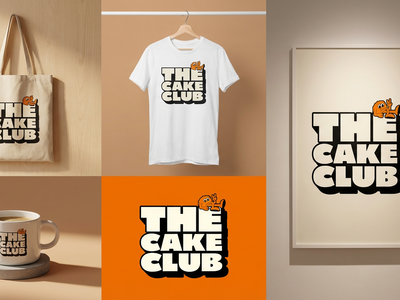
Upload a product photo and describe the camera motion. Get a polished clip with dynamic angles and cinematic lighting, ready for ads or social.
🎬 Photo Animation
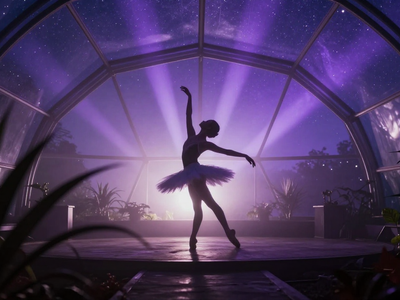
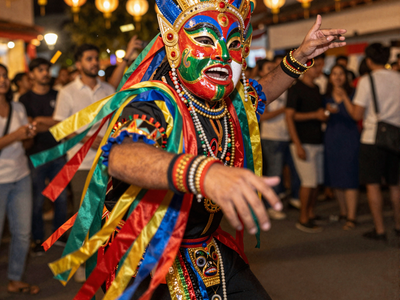
Turn a still photo into a living moment. Portraits blink and turn, landscapes gain wind and light shifts, architecture gets a flyover.
🎥 Storyboard to Motion
Feed storyboard frames as keyframes and let Kling fill the motion between them. Test a sequence before committing to a full shoot or CG render.
💡 Social Content from Static Assets
Turn existing product images, headshots, or brand photography into short video clips for Reels, TikTok, or Stories without reshooting.
🎨 Concept Animation
Animate concept art or illustrations to pitch a scene, mood, or character in motion. Show movement that a still frame cannot communicate.
WHAT WORKS BEST / WHAT TO AVOID
✅ Works great
Clear, well-lit start images with a single subject
Prompts that describe motion and camera, not the scene
Keyframes that define key poses at turning points
Product shots, portraits, and landscapes
⚠️ May produce softer results
Prompts that redescribe what the image already shows
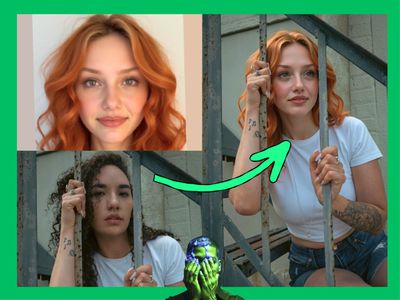
Heavily composited or collage-style start images
Extreme low-light or blurry source photos
Too many keyframes with conflicting compositions
FAQ
What is Kling v4.0 Image to Video?
Kling v4.0 Image to Video is a video generation model by Kuaishou (Kling AI) that animates a still image into a video with sound. You upload one image as the starting frame, describe the motion in a prompt, and the model generates the video. It supports durations from 3 to 30 seconds at up to 1080p.
How are keyframes different from the start image?
The start image is required and becomes the first frame of the video. Keyframes are optional guide frames you add to steer the motion. You can add up to 8 middle frames and 1 end frame. Use them when you need the video to pass through specific poses or land on a specific final composition.
Does the video include sound?
Yes. Every video comes with generated audio. There is no option to turn sound off in this workflow. You can mute or replace the audio in your video editor after downloading.
Can I control the aspect ratio?
No. The video takes its shape from your start image. Upload a 16:9 image for widescreen, a 9:16 image for vertical, or a 1:1 image for square. There is no separate aspect ratio setting.
What resolution options are available?
720p and 1080p. No 4K output is available on this workflow. Start at 720p to test your prompt, then switch to 1080p for the final output. 720p costs about a third less.
Can I use Kling v4.0 outputs commercially?
Kling v4.0 is a closed-weights, API-only model. Commercial use is governed by Kuaishou’s terms of service. Review their current terms before using outputs in commercial projects.
How to run Kling v4.0 Image to Video online?
You can run Kling v4.0 Image to Video online through Floyo. No installation, no setup, no API key to wire up. Open the workflow in your browser, upload your image, and hit run. Free to try.
WHY FLOYO?
Floyo is the only platform with team collaboration for ComfyUI in the browser. You run workflows with no install. You share run history, assets, and models across your team. You pay only when you generate. Floyo supports open-source and closed-source models.
A designer runs an edit and likes the result. A teammate opens that exact run from shared history and keeps going. No file handoffs. No version confusion.
For studios and enterprise teams, Floyo adds private workspaces, pooled resources, and a team usage dashboard. Other ComfyUI cloud tools run for one person at a time. Floyo runs for the whole team, with transparent per-generation costs.
Ready to try it?
Upload your first image, describe the motion, and hit run. The settings are already set.
Questions? Watch the free course or check the FAQ above.
Read more