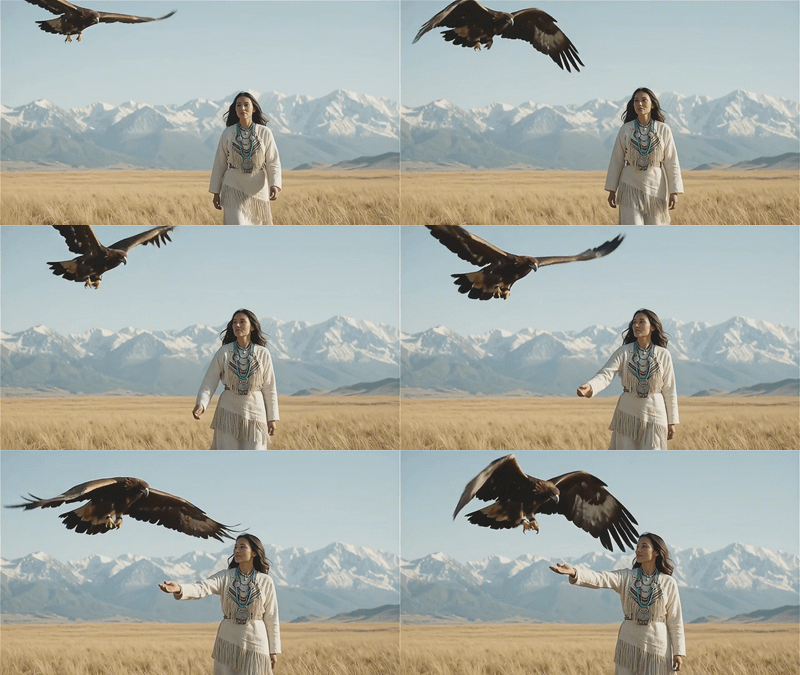
Ideogram V4 · Image to Image
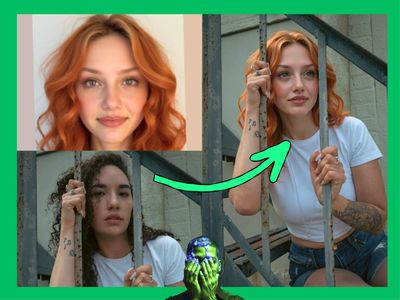
Upload an image and describe the change you want. Ideogram V4 transforms it while preserving your composition, with the strength slider controlling how far the result moves from the original.
ideogram v4
Image
image editing
image to image
404
_1782818117647.png?width=1400&height=620&quality=80&resize=contain)
_1782818117647.png?width=1400&height=620&quality=80&resize=contain)
_1782818163695.png?width=1400&height=620&quality=80&resize=contain)
_1782818117647.png?width=104&height=104&quality=80&resize=cover)
_1782818117647.png?width=104&height=104&quality=80&resize=cover)
_1782818163695.png?width=104&height=104&quality=80&resize=cover)
Nodes & Models
IdeogramV4ImageToImage_floyo
FloyoStickyNote
LoadImage
SaveImage
ABOUT THE WORKFLOW
Edit an Image
Upload an image and describe what to change. Ideogram V4 reads the composition, subject, and layout of your original, then transforms it based on your prompt. The strength slider controls how much changes: low keeps it close to the original, high transforms it more. The model carries over its industry-leading text rendering, so you can add or change text in the image during the edit.
Partner node. This workflow calls an external API, so each run uses credits from your API wallet. No API key needed. Floyo handles the connection.
Model
Ideogram V4 (4.0) by Ideogram AI. A 9.3-billion-parameter open-weight Diffusion Transformer ranked #1 among open-weight models on Arena.ai. Scores 0.97 on in-image text rendering accuracy, supports layout control, and generates at native 2K resolution.
HOW IT WORKS
Step 1. Upload your image
The image you want to edit or restyle. The model reads its composition, color, lighting, and subject.
Works great with: photos · product shots · design mockups · illustrations · social graphics
Step 2. Describe the change
Write what to transform and what to keep. "Keep the exact composition but transform the scene into golden-hour cinematic lighting with painterly clouds and film grain" is specific. "Make it look better" is not. To add text to the image, put the words in quotes.
Step 3. Set the strength
Controls how far the result moves from your original. 0.8 is the default. Lower it toward 0.3 to 0.5 for subtle edits (color grading, lighting shifts). Raise it toward 0.9 to 1.0 for heavy restyling or full aesthetic transformation.
Step 4. Hit run and download
Ideogram V4 applies the edit and returns the result.
Ready for: Photoshop · Figma · Canva · print · social media · web
First time? Leave every setting as-is. The defaults (strength 0.8, 16:9 landscape, Balanced speed) are the right starting point for almost everyone.
RECOMMENDED SETTINGS
Quick-start guide. Find the goal that matches yours and copy the settings.
Standard restyle or edit (most people) — Strength 0.8, Balanced speed, 16:9, 1 image. No changes needed.
Subtle color or lighting change — Lower the strength to 0.3 to 0.5. The composition and subject stay nearly identical. Good for color grading, time-of-day shifts, and mood adjustments.
Heavy style transformation — Raise the strength to 0.9 to 1.0. The image shifts further from the original. Good for converting a photo into illustration, painting, or a completely different aesthetic.
Add text to the image — Put the words in quotes in the prompt. "Add a neon sign reading 'OPEN LATE' above the door." Ideogram V4 renders text accurately even during edits.
Highest quality output — Switch rendering speed to Quality. Slower, but produces the most refined result. Use for final deliverables.
Fast iteration — Switch to Turbo for quick drafts. Test the edit at Turbo, then re-run at Quality once you have the right prompt and strength.
Match a specific aspect ratio — Switch from 16:9 to match your target platform. The model adapts the output to the chosen ratio.
Edit changed too much — Lower the strength. Each 0.1 step down keeps the result closer to your original image.
Prompt: State what changes and what stays. "Keep the subject and pose, transform the background into a snowy mountain landscape" separates the instruction clearly. Describe the target aesthetic with specific visual language: "golden-hour light, volumetric sun rays, film grain, painterly texture" gives the model concrete targets.
LEARN
📹 Videos
ComfyUI 101 Free Course ft. Sebastian Kamph
Floyo 101 for Team Collaboration
✨ Quick links
USE CASES
🎨 Style Transfer and Restyling
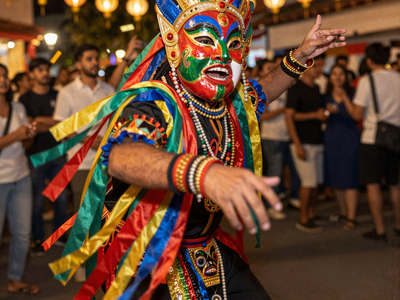
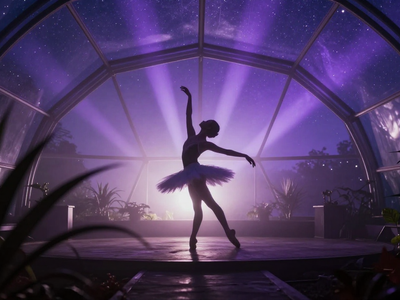
Transform a photo into a painting, illustration, cinematic still, or any target aesthetic while keeping the original composition and subject intact.
📸 Photo Enhancement and Mood Shifts
Apply golden-hour lighting, cinematic color grading, film grain, or atmospheric effects to an existing photo without rebuilding the scene.
🛍️ Product and Campaign Restyling
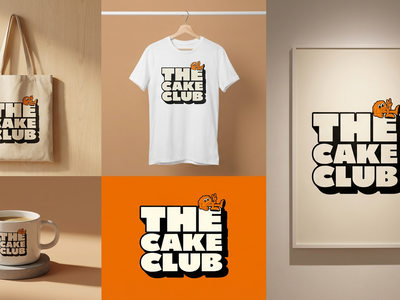
Take an existing product shot and restyle it for a new season, campaign, or platform. Shift the lighting, background mood, or visual treatment in one run.
🔤 Adding Text to Existing Images
Add headlines, labels, or overlay copy to a photo or design. Ideogram V4 renders the text accurately and integrates it into the image's lighting and style.
📐 Design Iteration
Explore visual directions on a single composition. Run the same image with different prompts and strength levels to compare aesthetic options before committing.
WHAT WORKS BEST / WHAT TO AVOID
✅ Works great
Clear, well-lit source images with defined subjects
Prompts that state what to change and what to keep
Strength 0.3 to 0.5 for subtle edits, 0.8 to 1.0 for heavy restyling
Adding or changing text using quoted words in the prompt
⚠️ May produce softer results
Very low-resolution or heavily compressed source images
Vague prompts like "improve this" with no direction
Strength set too low for a major style change (the edit barely registers)
Contradictory instructions ("keep everything the same but change everything")
FAQ
What is Ideogram V4 image to image?
Ideogram V4's image-to-image mode takes an uploaded image and transforms it based on your text prompt. The strength slider controls how much the output changes from the original. At low strength (0.3), the result stays very close to your input with subtle adjustments. At high strength (0.9 to 1.0), the model reshapes the image more aggressively toward the prompt's description. The composition and subject carry through at all strength levels.
What does the strength setting do?
Strength controls the balance between your original image and the prompt's transformation. At 0.0, nothing changes. At 1.0, the model follows the prompt with maximum creative freedom. The default of 0.8 gives the model room to restyle the image while preserving the core composition and subject. Lower it for light color grading or mood shifts. Raise it for full aesthetic transformations.
Can I add text to an image during the edit?
Yes. Put the exact words in quotes within your prompt. Ideogram V4 renders in-image text with the highest accuracy of any open-weight model (0.97 OCR score). You can add headlines, labels, signs, or overlay copy and the model integrates them into the image's style and lighting.
How is this different from Ideogram V4 text to image?
Text to image generates from scratch based on your prompt. Image to image starts from your uploaded photo and edits it. Use text to image when you have no starting visual. Use image to image when you want to restyle, enhance, or transform an existing image.
What rendering speed should I use?
Balanced is the right default for most work. Use Turbo when iterating quickly on prompt and strength combinations. Switch to Quality for final deliverables where maximum detail matters. The visual difference between Balanced and Quality is subtle but noticeable in fine textures and typography.
Is Ideogram V4 licensed for commercial use?
Yes. Ideogram V4 is released as open-weight with a commercial license. Generated and edited images can be used for commercial projects including advertising, packaging, product design, and client work. Review the full license on the Ideogram model page for your specific use case.
How to run Ideogram V4 image editing online?
You can run Ideogram V4 image editing online through Floyo. No installation, no setup, no API key to wire up. Open the workflow in your browser, upload your image, describe the edit, and hit run. Free to try.
WHY FLOYO?
Floyo is the only platform with team collaboration for ComfyUI in the browser. You run workflows with no install. You share run history, assets, and models across your team. You pay only when you generate. Floyo supports open-source and closed-source models.
A designer runs an edit and likes the result. A teammate opens that exact run from shared history and keeps going. No file handoffs. No version confusion.
For studios and enterprise teams, Floyo adds private workspaces, pooled resources, and a team usage dashboard. Other ComfyUI cloud tools run for one person at a time. Floyo runs for the whole team, with transparent per-generation costs.
Ready to try it?
Upload your image, describe the transformation, and hit run. The strength is already set.
Questions? Watch the free course or check the FAQ above.
Read more