Wan 3.0 · Reference to Video
Re-render any video in a new visual style using Wan 3.0 by Alibaba. Upload a clip, describe the target look, and hit run. Motion preserved, audio included.
alibaba
video style transfer
video to video
wan 3.0
610

Nodes & Models
AlibabaWan30ReferenceToVideo_floyo
VideoToFrames
LoadVideo
CreateVideo
SaveVideo
ABOUT THE WORKFLOW
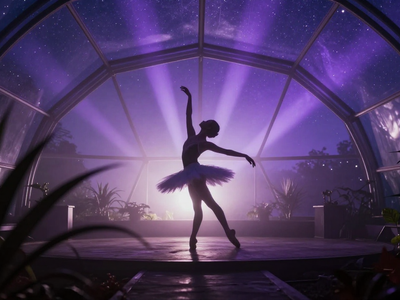
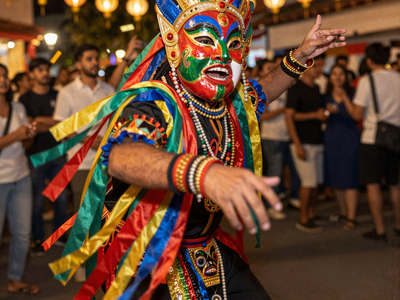
Re-Render a Video in a New Style Upload a video and describe the look you want. Wan 3.0 re-renders the clip in that style while preserving the original motion, framing, and timing. The result comes back with sound. Up to 30 seconds per run at up to 1080p.
Partner node. This workflow calls an external API, so each run uses credits from your API wallet. No API key needed. Floyo handles the connection.
Model
Wan 3.0 by Tongyi Lab at Alibaba. Public beta 6 August 2026. Running in reference-to-video mode: the model reads a source video and a text prompt, keeps the motion, and re-renders the picture in the described style with audio. Supports up to 10 image references, 5 video references, and 5 audio references per generation, though this workflow uses the source video and a prompt.
HOW IT WORKS
Step 1. Upload your video The clip you want restyled. Its motion, framing, and timing are preserved. Works great with: live action · animation · product footage · renders
Step 2. Describe the target style Write the look you want. "Convert this video into 3D game style" or "re-render as a hand-painted watercolour animation with soft edges."
Step 3. Hit run and download The model re-renders the video in the described style with audio and saves it under video/Wan3.0. Ready for: Premiere · DaVinci Resolve · CapCut · After Effects
First time? Leave every setting as-is. The defaults (1080P · 5 seconds · 16:9 · audio on · watermark off · random seed) are the right starting point for almost everyone.
RECOMMENDED SETTINGS
Quick-start guide. Find the goal that matches yours and copy the settings.
Standard style transfer (most people) — 1080P · 5 seconds · 16:9 · audio on · watermark off · random seed. The right starting point for almost everyone.
Need a longer result — Raise duration up to 30 seconds. Duration and resolution together drive cost.
Need a different shape — Switch the aspect ratio. 16:9, 9:16, and 1:1 are available.
Sound does not match the new style — Describe the soundscape in the prompt alongside the visual style. "Pixel art retro game, 8-bit sound effects" steers both.
Want silent output — Turn audio off. The model skips the sound pass.
The style barely changed — Be more specific. "Hand-painted Studio Ghibli watercolour, soft outlines, pastel sky" changes more than "anime style."
Want to add reference images — Up to 10 image slots and 5 video slots sit open on the node. Connect loaders to add style references, character references, or environment references alongside the source video.
Repeat a result you liked — Set a fixed seed. The same video, prompt, and seed give you the same restyle back.
Prompt: Name the style, not the content. The model keeps the motion from your video and changes the look based on your prompt. "Convert to oil painting with thick impasto brushwork, warm amber palette, dramatic chiaroscuro lighting" gives you more than "make it look painted."
LEARN
📹 Videos
ComfyUI 101 Free Course ft. Sebastian Kamph
Floyo 101 for Team Collaboration
✨ Quick links
USE CASES
🎨 Visual Restyling Re-render live-action footage as animation, pixel art, watercolour, oil painting, or any described style.
🎮 Game and VFX Prototyping Restyle a reference clip into a game engine look or a VFX treatment to pitch the visual direction.
📢 Campaign Variations Generate several style treatments of the same spot from one source clip for A/B testing or market localisation.
🎬 Concept Development Test how a scene reads in different visual languages before committing to a full CG or animation pass.
WHAT WORKS BEST / WHAT TO AVOID
✅ Works great
Clear source clips with readable motion and stable framing
Specific style descriptions that name the medium, palette, and texture
Clips of 5 to 15 seconds as a starting range
Re-rendering as illustration, 3D, or painterly styles
⚠️ May produce softer results
Vague style prompts like "make it look better"
Source clips with fast cuts or extreme camera shake
Expecting the content to change (the motion stays, the look changes)
Duration pushed to 30 seconds on a first test
FAQ
What is Wan 3.0 video style transfer? Wan 3.0 reference-to-video mode re-renders an existing video clip in a new visual style while preserving its motion, framing, and timing. You upload a source video and describe the target look in a prompt. The model keeps the action and changes the picture. Audio is generated in the same pass.
Does the motion change? No. The model preserves the original motion, camera movement, and timing from your source clip. The visual style changes; the blocking stays the same.
Can I add reference images to guide the style? Yes. Up to 10 image reference slots and 5 video reference slots sit open on the node. Connect loaders to add a painting, a screenshot, a colour palette, or a character reference alongside the source video. The model reads them all when re-rendering.
Does the output include audio? Yes, by default. The model generates audio that matches the restyled visuals. Turn audio off if you want a silent clip.
What is the difference between this and the Wan 3.0 image-to-video workflow? Image to video animates a single still into a new clip. This workflow takes an existing video and re-renders it in a different style while keeping the original motion. Use image to video to animate a still and this one to restyle footage you already have.
Is Wan 3.0 open source? No. Wan 3.0 is API-only with no published weights. Open weights in the Wan family stop at Wan 2.2, which is released under Apache 2.0.
How to run Wan 3.0 video style transfer online? You can run Wan 3.0 video style transfer online through Floyo. No installation, no setup, no API key to wire up. Open the workflow in your browser, upload a clip, describe the style, and hit run. Free to try.
WHY FLOYO?
Floyo is the only platform with team collaboration for ComfyUI in the browser. You run workflows with no install. You share run history, assets, and models across your team. You pay only when you generate. Floyo supports open-source and closed-source models.
A designer runs an edit and likes the result. A teammate opens that exact run from shared history and keeps going. No file handoffs. No version confusion.
For studios and enterprise teams, Floyo adds private workspaces, pooled resources, and a team usage dashboard. Other ComfyUI cloud tools run for one person at a time. Floyo runs for the whole team, with transparent per-generation costs.
Ready to try it? Upload a video, describe the style, and run it. The motion stays, the look changes.
Questions? Watch the free course or check the FAQ above.
Read more