HunyuanImage 3.0 Text to Image
API
Floyo API
HunyuanImage 3.0
Image
Text2Image
0
346



Nodes & Models
HunyuanImageV3TextToImage_floyo
WorkflowGraphics
PreviewImage
Overview
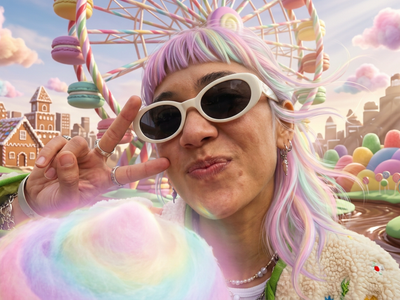
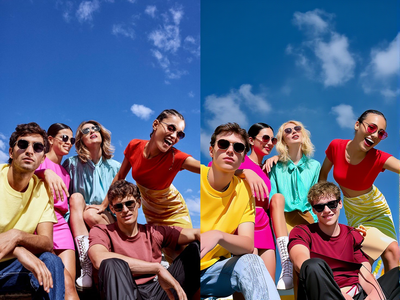
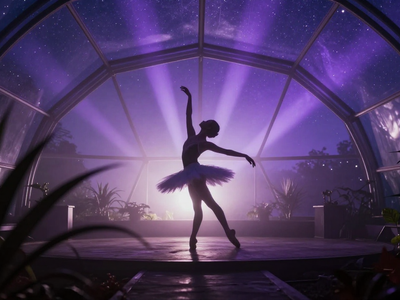
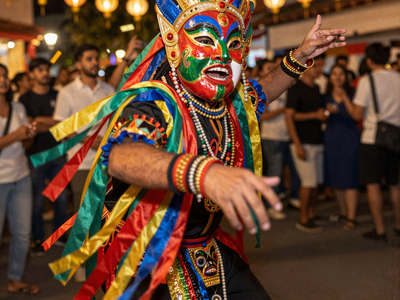
HunyuanImage 3.0 uses a native multimodal, autoregressive + diffusion Mixture‑of‑Experts architecture (80B total, about 13B active per token) trained on billions of text–image pairs, video frames, and interleaved data. It handles thousand‑character prompts, bilingual Chinese–English input, and complex scene descriptions, producing images that tightly follow instructions while staying photorealistic or stylistically coherent across many genres. The model is fully open source with code and weights, and is available via multiple hosted APIs and UIs.
What it does well
HunyuanImage 3.0 is particularly strong at:
Complex scenes and long prompts: multi‑character compositions, multi‑step narratives, or diagrams described in long, structured text.
World‑knowledge and reasoning: prompts that reference real‑world facts, professions, locations, or styles, where the model fills in plausible details.
Text in images: posters, infographics, and UI shots with accurate, legible Chinese and English text in various fonts and layouts.
Multi‑style output: photorealistic portraits, cinematic frames, flat illustration, anime, watercolor, oil painting, and 3D‑style renders for products and architecture.
Who can use it
HunyuanImage 3.0 Text to Image is useful for:
Creators and marketers generating campaign visuals, key art, and posters that need strong text alignment and brand‑safe imagery.
Product, UI, and game designers creating concept art, interface mockups, and environment or character explorations from long, detailed briefs.
Educators and technical teams producing diagrams, multi‑panel comics, and instructional illustrations that embed labels or annotations.
Developers and tool makers integrating a high‑end open‑source model into ComfyUI, web apps, or pipelines where commercial licensing needs to be flexible.
Example use case
A typical prompt might be: “Cinematic 16:9 illustration of a robotics classroom, three students collaborating at a workbench, detailed tools and components, labels on the whiteboard explaining ‘Kinematics’ and ‘Control Systems’, warm afternoon light, semi‑realistic style.” HunyuanImage 3.0 will parse the full description, place students and tools logically, and render readable whiteboard text in the requested style. Another example is a product poster: “Vertical poster, center product shot of a smart water bottle, headline at the top ‘Hydrate Smarter’, smaller text describing features, clean minimalist layout, bilingual English and Chinese labels,” which leverages its strong text rendering and layout understanding for ready‑to‑use marketing images.
Read more