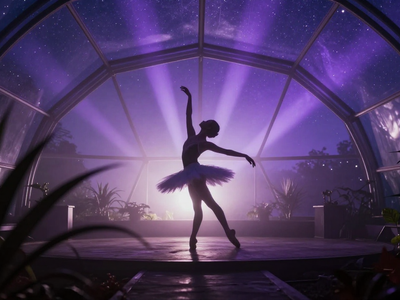
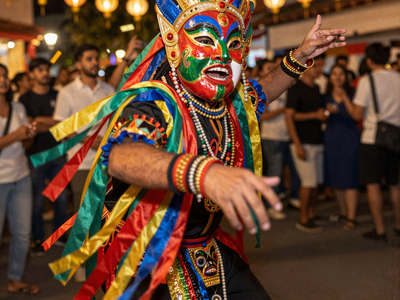
Vertical Video Light & Mood Shift
Audio
Image
image-to-image
LoRAs
qwen
reference-image
Video
wan2.1 FunControl
722
_1764582642632.webp)

Nodes & Models
GetNode
Note
Label (rgthree)
VAELoader
qwen_image_vae.safetensors
EmptySD3LatentImage
CLIPLoader
qwen_2.5_vl_7b_fp8_scaled.safetensors
UpscaleModelLoader
4x-UltraSharp.pth
PrimitiveInt
CLIPVisionLoader
clip_vision_h.safetensors
LoadImage
UNETLoader
diffusion_models/qwen_image_edit_2509_fp8_e4m3fn.safetensors
LoadAudio
Fast Groups Bypasser (rgthree)
PreviewImage
ImageScaleBy
ImageUpscaleWithModel
SetNode
ImageScaleToTotalPixels
LoraLoaderModelOnly
Qwen-Image-Edit-2509-Lightning-4steps-V1.0-bf16.safetensors
next-scene_lora_v1-3000.safetensors
ImageScale
ImageBlend
VAEEncode
TextEncodeQwenImageEditPlus
PreviewAny
ModelSamplingAuraFlow
CFGNorm
KSampler
VAEDecode
SaveImage
easy mathFloat
easy float
easy showAnything
VHS_BatchManager
VHS_LoadVideo
VHS_VideoInfo
VHS_VideoCombine
WanVideoLoraSelect
Wan/wan_i2v_720_l1v3w4llp4p3r_e50_with_trigger.safetensors
lightx2v_I2V_14B_480p_cfg_step_distill_rank64_bf16.safetensors
LoadWanVideoClipTextEncoder
open-clip-xlm-roberta-large-vit-huge-14_fp16.safetensors
WanVideoVAELoader
wan_2.1_vae.safetensors
Wan2_1_VAE_bf16.safetensors
WanVideoModelLoader
Wan2.1-Fun-Control-14B_fp8_e4m3fn.safetensors
Wan2_1-I2V-14B-480P_fp8_e4m3fn.safetensors
LoadWanVideoT5TextEncoder
umt5_xxl_fp16.safetensors
WanVideoTorchCompileSettings
WanVideoBlockSwap
WanVideoLoraSelect
Wan/wan_i2v_720_l1v3w4llp4p3r_e50_with_trigger.safetensors
lightx2v_I2V_14B_480p_cfg_step_distill_rank64_bf16.safetensors
LoadWanVideoClipTextEncoder
open-clip-xlm-roberta-large-vit-huge-14_fp16.safetensors
WanVideoVAELoader
wan_2.1_vae.safetensors
Wan2_1_VAE_bf16.safetensors
WanVideoModelLoader
Wan2.1-Fun-Control-14B_fp8_e4m3fn.safetensors
Wan2_1-I2V-14B-480P_fp8_e4m3fn.safetensors
LoadWanVideoT5TextEncoder
umt5_xxl_fp16.safetensors
WanVideoSLG
WanVideoTeaCache
DownloadAndLoadWav2VecModel
WanVideoTorchCompileSettings
WanVideoBlockSwap
WanVideoTextEncodeCached
umt5-xxl-enc-bf16.safetensors
MultiTalkModelLoader
Wan2_1-InfiniteTalk-Multi_fp8_e4m3fn_scaled_KJ.safetensors
WanVideoTextEncode
MultiTalkWav2VecEmbeds
WanVideoEncode
WanVideoControlEmbeds
WanVideoClipVisionEncode
WanVideoImageToVideoEncode
WanVideoImageToVideoMultiTalk
WanVideoSampler
WanVideoDecode
DownloadAndLoadWav2VecModel
MultiTalkModelLoader
Wan2_1-InfiniteTalk-Multi_fp8_e4m3fn_scaled_KJ.safetensors
MultiTalkWav2VecEmbeds
WanVideoImageToVideoMultiTalk
DownloadAndLoadWav2VecModel
ImageResizeKJ
ImageResizeKJ
AddLabel
ImageResizeKJv2
GetImageRangeFromBatch
GetImageSizeAndCount
ImageConcatMulti
ImageResizeKJ
AddLabel
ImageResizeKJv2
GetImageRangeFromBatch
GetImageSizeAndCount
ImageConcatMulti
MiDaS-DepthMapPreprocessor
Scribble_XDoG_Preprocessor
DWPreprocessor
MiDaS-DepthMapPreprocessor
Scribble_XDoG_Preprocessor
DWPreprocessor
DWPreprocessor
WanVideoEncode
ImageResize+
RIFE VFI
rife47.pth
FinalFrameSelector
FinalFrameSelector
Mood & Lighting Rework – Simple Explanation
This workflow transforms your original video by enhancing its mood, lighting, and emotional tone—all without reshoots or complex color-grading tools.
Every original motion, expression, camera movement, and performance remains unchanged while the scene’s visual atmosphere is dramatically upgraded.
How It Works (Step-by-Step):
1. Edit a Key Frame with Qwen
Choose one important frame from your video and open it in Qwen.
Here, you adjust the lighting, shadows, color tones, glow, atmosphere, or overall mood—almost like doing high-end color grading on a single still.
This single modified frame becomes the “reference blueprint” for the entire video.
2. Mask or Select the Area (Optional)
If only certain portions of the scene need mood changes—like highlights on the face, background glow, rim light, haze, etc.—you can mask them on the first frame.
This ensures changes apply exactly where you intend.
3. Describe the Mood & Lighting in Your Prompt
You write a prompt describing the new look, such as:
“soft warm cinematic lighting across the face”
“dramatic backlight with golden glow”
“rich blue nighttime mood with soft contrast”
“warm sunset ambience with soft haze”
Qwen edits the frame to reflect this new mood, while keeping identity, expression, and details intact.
4. Send the Edited Frame to Wan 2.1 FunControl
Wan compares:
your edited frame
your original unedited video
Wan 2.1 FunControl understands exactly what has changed in the frame → then tracks those changes through the entire video.
It locks your lighting/mood adjustments to:
real motion
natural shadows
camera movement
scene depth
actor expressions
This ensures the new lighting behaves like it was shot that way in-camera.
5. Upload Your Original Video
Wan analyzes your original video frame-by-frame to perfectly map all:
movements
lighting variations
facial expressions
camera angles
This gives you stable, flicker-free lighting adjustments across the entire shot.
6. Activate Wan 2.1 FunControl
Wan generates a new video where your mood and lighting changes are applied naturally while preserving:
all original performances
head motions
gestures
timing
camera movement
Only the lighting/mood is changed—nothing else is altered.
7. LipSync Pass
After the Wan pass, the video is sent through a LipSync workflow.
This preserves the mood and lighting changes while ensuring:
mouth movements
dialogue sync
expression timing
all remain accurate and stable.
This step is particularly useful for talking shots where realism is crucial.
8. Final Upscaling
A high-quality upscaling model enhances:
sharpness
texture clarity
skin details
lighting transitions
overall resolution
The final video looks polished, clean, and professional with no artifacts or distortion.
9. Download Your Final Video
You receive a finished MP4 where:
the mood and lighting feel natural and cinematic
the actor’s appearance and identity remain untouched
all motion stays smooth and true to the original
lipsync is accurate
the entire shot appears intentionally lit and professionally graded
Behind the Scenes (Simple Terms)
You edit one frame, and Wan applies that look to the whole video by following real movement and lighting behavior from the original footage.
LipSync refines facial movement, and upscaling brings final sharpness and detail.
Final Result
A beautifully re-lit, mood-enhanced video that keeps every natural motion, expression, and performance intact—without any traditional VFX, color grading software, or manual editing.
Read more
0
Reply