Moonvalley Marey Motion Transfer - Video to Video
vid2vid
Video
video generation
416
Nodes & Models
LoadVideo
VideoToFrames
VHS_VideoCombine
VHS_VideoCombine
VHS_VideoCombine
Take motion from one video and apply it to a different subject with Marey.
Upload a reference video with the motion you want. Drop in a reference image of the character or scene you want that motion applied to. Write a prompt describing the result. Marey generates a new video that mirrors the movement of your reference clip but swaps in your chosen subject. Output is 1080p at 24fps, commercially safe because Marey is trained only on licensed footage.
How do you use Motion Transfer with Moonvalley Marey?
Load a reference video (the motion source) into the video input. Load a reference image of the character or subject you want into the reference_image input. Write a prompt describing the result, then hit Run. Marey preserves the motion from your video and applies it to the subject from your reference.
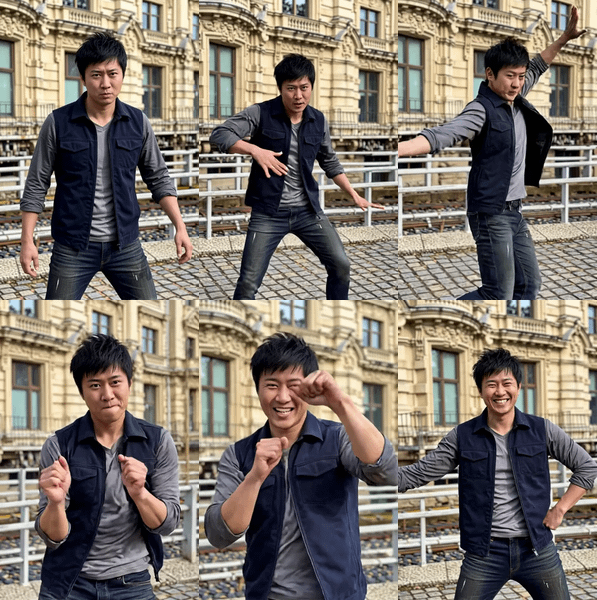
Reference video This is where the motion comes from. Pose, camera movement, timing, and composition all flow from this clip. Videos longer than 10 seconds get trimmed to the first 10. The clearer and cleaner the motion in your reference, the better the transfer. Dance clips, action shots, and expressive performance all work well.
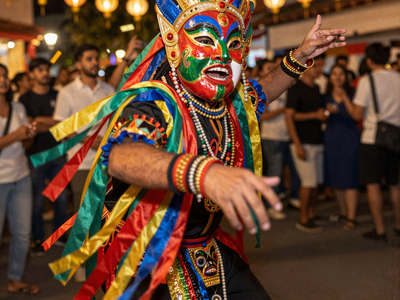
Reference image The subject you want the motion applied to. This is how you swap the character. In the default example, a streetwear character image is paired with a dance video so Marey generates that character doing the dance. The reference image carries the identity, wardrobe, and look. The video carries the motion.
First frame image (optional) Use this when you want to lock the opening frame of your new video. Leave it empty and Marey figures out the first frame from your reference image and prompt. Set it when you need the generation to start from a specific composition (for matching cuts in an edit, for example).
Positive prompt Describe what the output video should show. Be specific about the subject, environment, and action. The default prompt in this workflow is a clean template: "Replace the [X] in the video with the [Y] in reference image." Short, direct, action-focused prompts work well here because Marey is already getting most of the visual information from your video and image inputs.
Negative prompt Pre-loaded with Marey's recommended defaults: low-quality textures, glitches, bloom spam, game-asset look, AI artifacts. Start here. Add terms if you see a specific failure mode in your output. Don't strip the defaults unless you have a reason.
Seed Set to randomize by default, so each run gives you a new take on the same inputs. Got a generation you like? Note the seed and flip randomize off to lock it. Then iterate on the prompt against that same base.
What is Marey Motion Transfer good for?
Motion Transfer is built for reusing a performance across different subjects. Ad campaigns where the same choreography plays on different models. Music videos with character swaps. Pre-viz where a stunt reference maps to the final character. Anywhere you have the motion figured out but need to change who's doing it.
Good fit: fashion and streetwear content where one dance clip drives multiple character variations, commercial work where a performance is locked and the talent changes, VFX previsualization with stunt doubles, concept videos where you want a known camera move applied to a new scene. The commercial safety of Marey matters here too. Outputs are clear for use in client work.
Less good fit: generating motion from scratch (use Marey text-to-video), subtle edits to the reference video itself (use a video-to-video edit workflow), or clips where the subject needs to do something the reference video can't show. Motion Transfer only gives you the motion that's already in your reference clip.
The trade-off worth naming: the quality of the output scales with the clarity of the motion in your reference. Shaky footage, occluded subjects, or heavy cuts in the reference video make the transfer harder. Pick a clean reference clip and the rest gets easier.
FAQ
What inputs does Moonvalley Marey Motion Transfer need? Two inputs are required: a reference video (the motion source) and a prompt. A reference image is strongly recommended and is how you swap the subject. A first-frame image is optional and only needed when you want to lock the opening composition. Output is 1080p video at 24fps.
How long can the reference video be for Marey Motion Transfer? Up to 10 seconds. Videos longer than 10 seconds get trimmed to the first 10 by Marey. Clean, short, high-motion clips transfer better than long or low-motion ones. Start with a 5 to 10 second reference that clearly shows the movement you want.
What's the difference between Motion Transfer and Pose Transfer in Marey? Motion Transfer carries over the full motion pattern and composition from a reference video (camera moves, body motion, timing). Pose Transfer focuses on human performance: pose, gesture, facial expression applied to a character image. Use Motion Transfer for broader scene-level motion. Use Pose Transfer for tight performance-level character work.
Is output from Moonvalley Marey Motion Transfer safe for commercial use? Yes. Marey is trained only on licensed and owned footage, so generations are commercially safe for ads, brand content, and client work. One thing to watch: if your reference video or reference image contains copyrighted material (a scene from a film, a photo of a public figure), that's on you to clear. The model output itself is safe.
How to run Moonvalley Marey Motion Transfer online? You can run Marey Motion Transfer online through Floyo. No installation, no setup. Open the workflow in your browser, upload your inputs, and hit run.
Read more


%20(2)_1774290976171.webp?width=400&height=300&quality=80&resize=contain&format=origin)