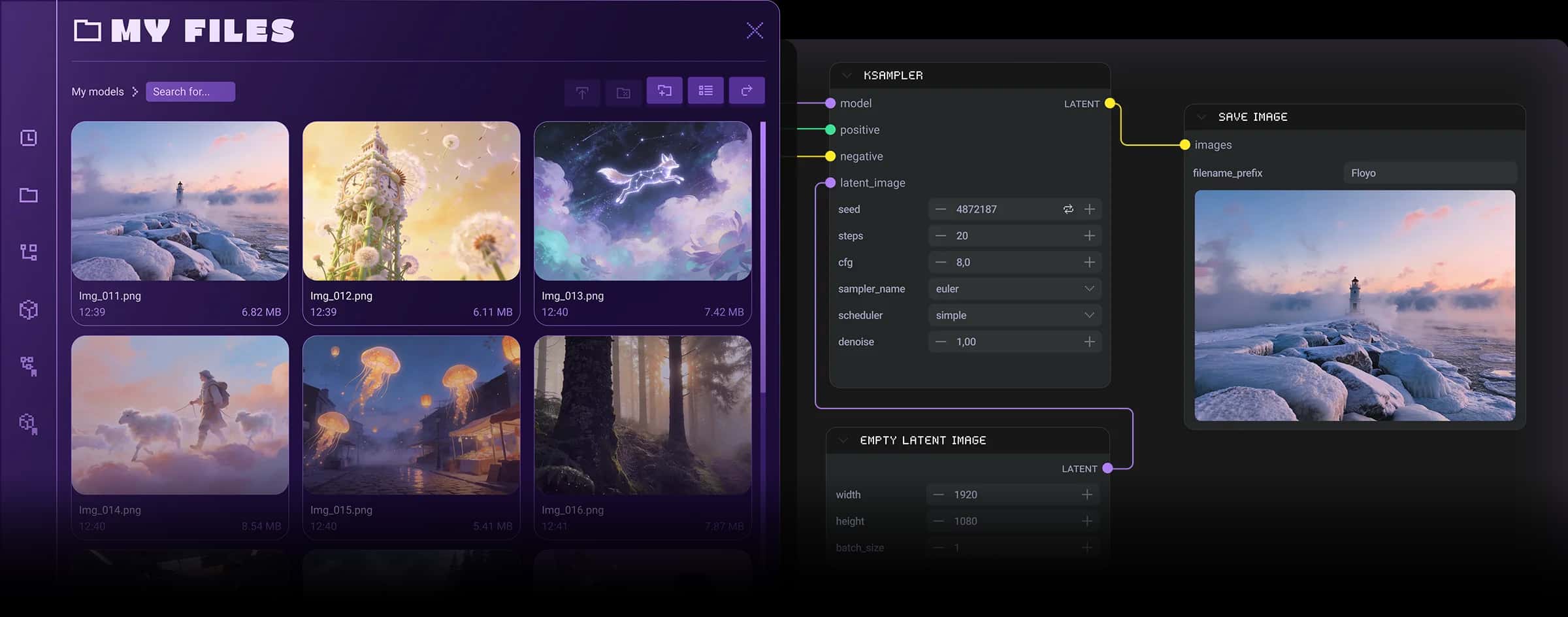
Advanced blending algorithms designed for seamless inpainting within ComfyUI, specifically tailored for image-space inpainting models such as Google Nano Banana and ByteDance Seedream 4. This tool addresses the common issue of color mismatches while maintaining the integrity of AI-generated textures.
- Utilizes Poisson blending to create seamless transitions and harmonize colors between generated and original images.
- Offers two blending modes: a traditional alpha compositing mode and an advanced Poisson blending mode for improved results.
- Ideal for high-resolution workflows, particularly effective in correcting brightness issues from models like Seedream 4.
Context
This tool, known as ComfyUI's inpainting blend node, enhances the functionality of ComfyUI by integrating advanced blending techniques specifically for image-space inpainting models. Its primary goal is to facilitate seamless inpainting while addressing color discrepancies that often arise in generated images.
Key Features & Benefits
The tool features two distinct blending modes: the default mode employs traditional alpha compositing, while the Poisson mode leverages gradient-domain blending. This advanced method preserves textures and details from the source images, effectively matches colors to the original background, and eliminates visible seams, offering a significant improvement over standard blending techniques.
Advanced Functionalities
The Poisson blending mode implements a sophisticated algorithm based on the principles of Poisson Image Editing. This approach not only harmonizes colors but also preserves the gradients of the source image, ensuring that the final output maintains a natural appearance without noticeable transitions at the edges of the inpainting area.
Practical Benefits
By integrating this tool into the ComfyUI workflow, users can achieve higher quality inpainting results with improved control over color matching and texture preservation. This leads to more efficient workflows, particularly when dealing with high-resolution images or complex scenes that require meticulous detail retention.
Credits/Acknowledgments
The tool is developed by contributors under the MIT license, with specific acknowledgments to the original authors and the foundational algorithm from "Poisson Image Editing" by Pérez et al. (2003).