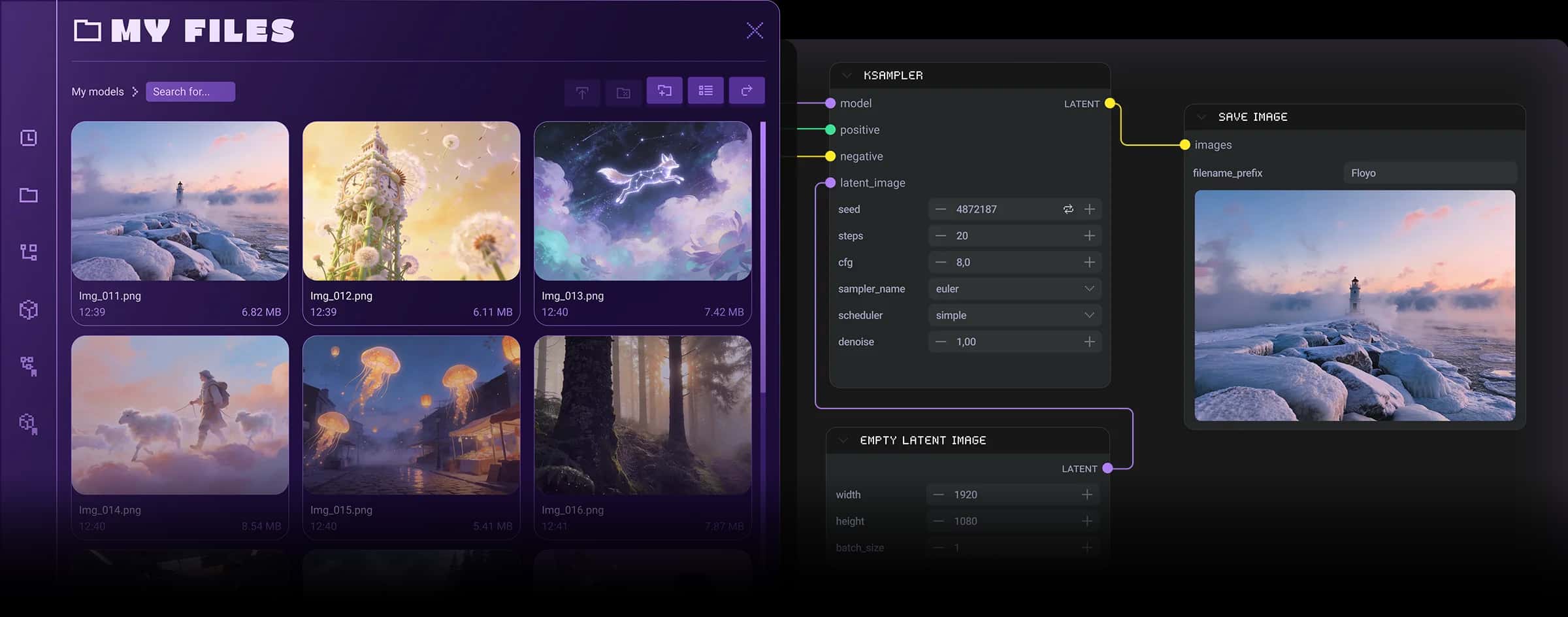
A high-performance model browser and gallery for ComfyUI, this tool offers a zero-dependency solution for managing models and workflows efficiently. It features rapid Civitai scraping, drag-and-drop functionality, and a self-healing mechanism that automatically resolves missing models through metadata hash injection.
- Supports comprehensive model management by extracting and customizing model details.
- Facilitates workflow repair by automatically detecting and replacing missing nodes.
- Provides a visual node assistant for easy model swapping and parameter management.
Context
This tool serves as a multifunctional model browser and workflow assistant within the ComfyUI ecosystem. Its primary purpose is to streamline model management, repair workflows, and enhance the user experience by providing easy access to model data and visual editing capabilities.
Key Features & Benefits
The model browser includes advanced features such as comprehensive model management, which allows users to automatically gather essential model information like architecture and author details. Additionally, it enables workflow repairs by identifying broken nodes and replacing them with correct paths, ensuring that users can restore functionality with minimal effort.
Advanced Functionalities
One of the standout features is the Node Assistant, which allows users to visually replace models and insert compatible components like LoRAs into existing workflows. It also supports the creation of Workflow Recipes, enabling users to save and reuse complete workflows with all associated settings and outputs, enhancing reproducibility and organization.
Practical Benefits
This tool significantly improves workflow efficiency by allowing users to quickly manage and repair models without extensive manual intervention. The ability to drag and drop images directly into the canvas and automatically load their workflows saves time and enhances creative flexibility, making it a valuable asset for ComfyUI users.
Credits/Acknowledgments
The Anomalous Model Browser is developed by contributors who adhere to the MIT License, allowing for free use, modification, and distribution of the code. The tool's branding and trademarks are protected, ensuring that official releases are clearly identified.