


COMMUNITY PAGE
Exploring AI in Architecture: A Peek into ENSAP Bordeaux's Innovative Studio
Using Floyo, ChatGPT, and a lot of imagination to rethink sustainable design. At ENSAP Bordeaux, a group of pioneering undergrads are discovering how AI tools can transform architectural creativity.
|
Organization
ENSAP Bordeaux
|
Sector
Higher education, architecture and landscape
|
|
Location
Bordeaux, France
|
On Floyo
Cloud AI workflows for an undergraduate design studio
|
Setting the stage
At the Ecole Nationale Supérieure d'Architecture et de Paysage de Bordeaux (ENSAP Bordeaux), a group of pioneering undergrads are discovering how AI tools can transform architectural creativity. Led by Professors Fabienne Darricau, Jean-Marc Emy, and Vincent Witomski, the course, called "Artificial Intelligence: When Representation Becomes Project," turns generative AI into a hands-on design ally.
Why AI in architecture?
Some people see AI as a limitless source of inspiration. Others worry it might replace genuine human ingenuity. This course navigates that tension by challenging students to embrace generative AI for exploration without losing their own creative spark. Here, AI is not the solution. It is more like a co-creator that nudges you toward unexpected ideas.
A peek into the course structure
The studio runs like an experimental workshop. Students explore both the theory and the practice of AI in design.
Kickoff and background. A quick look at how digital tools have shaped architecture so far, from CAD to BIM to parametric design, and an introduction to the buzz around AI.
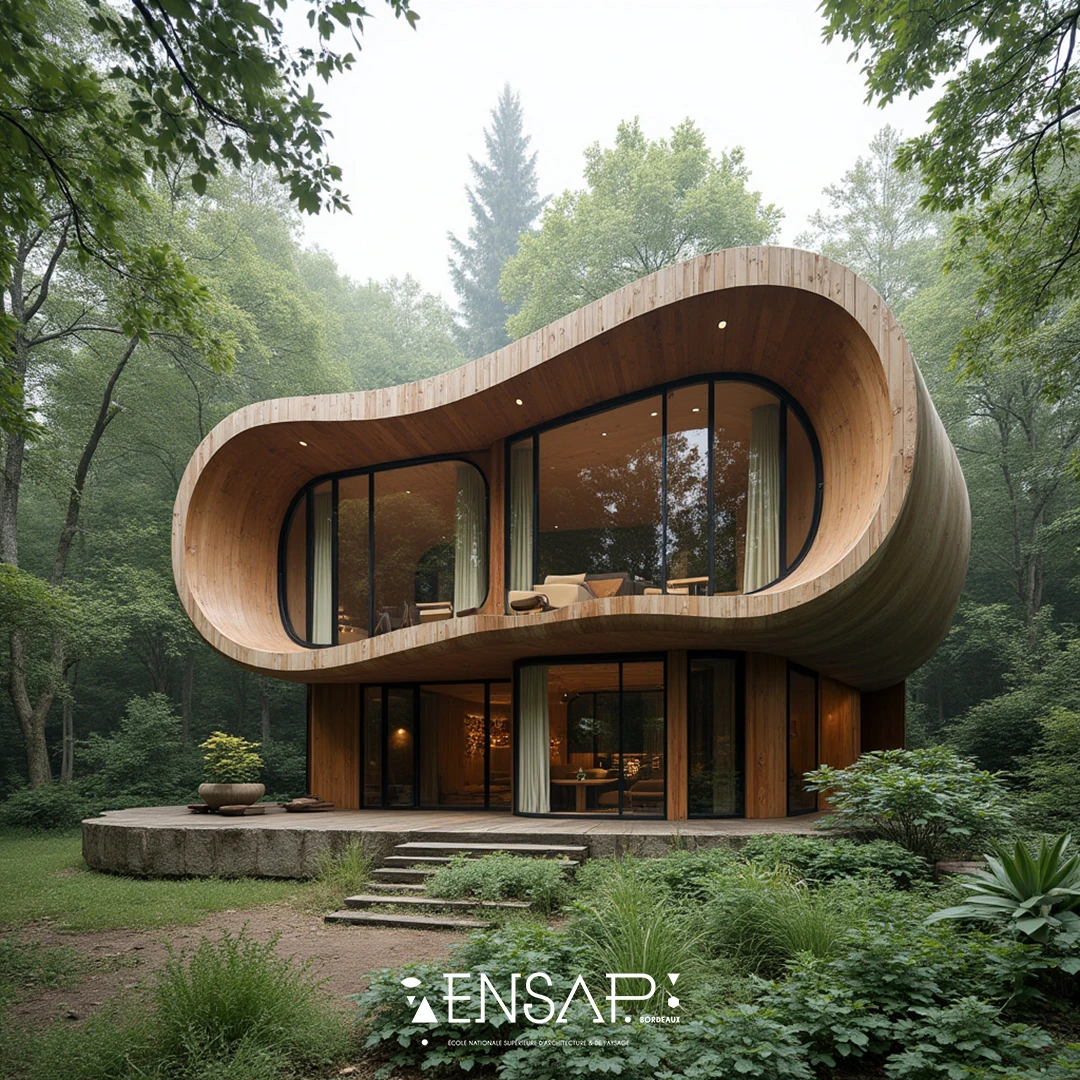
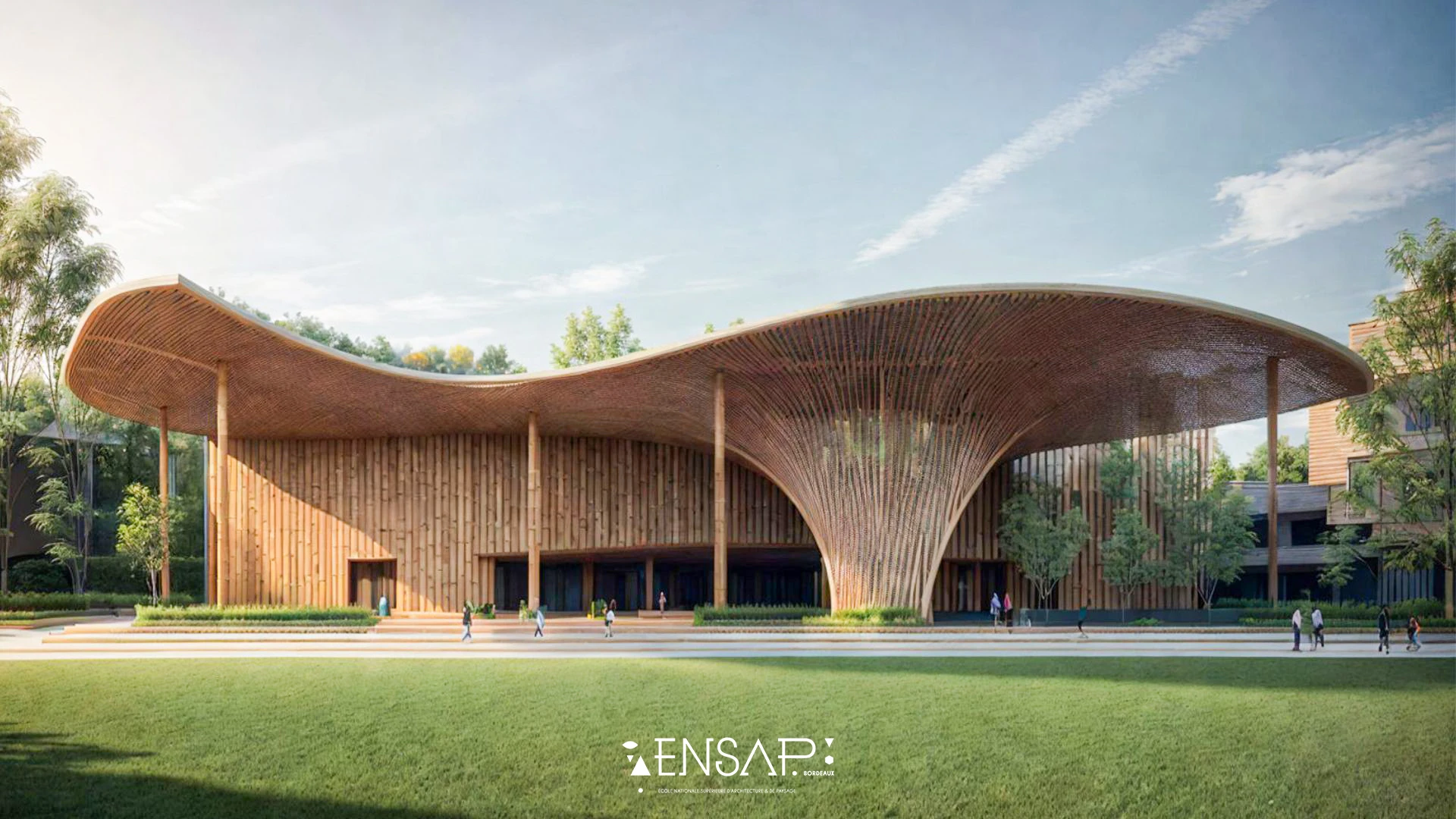
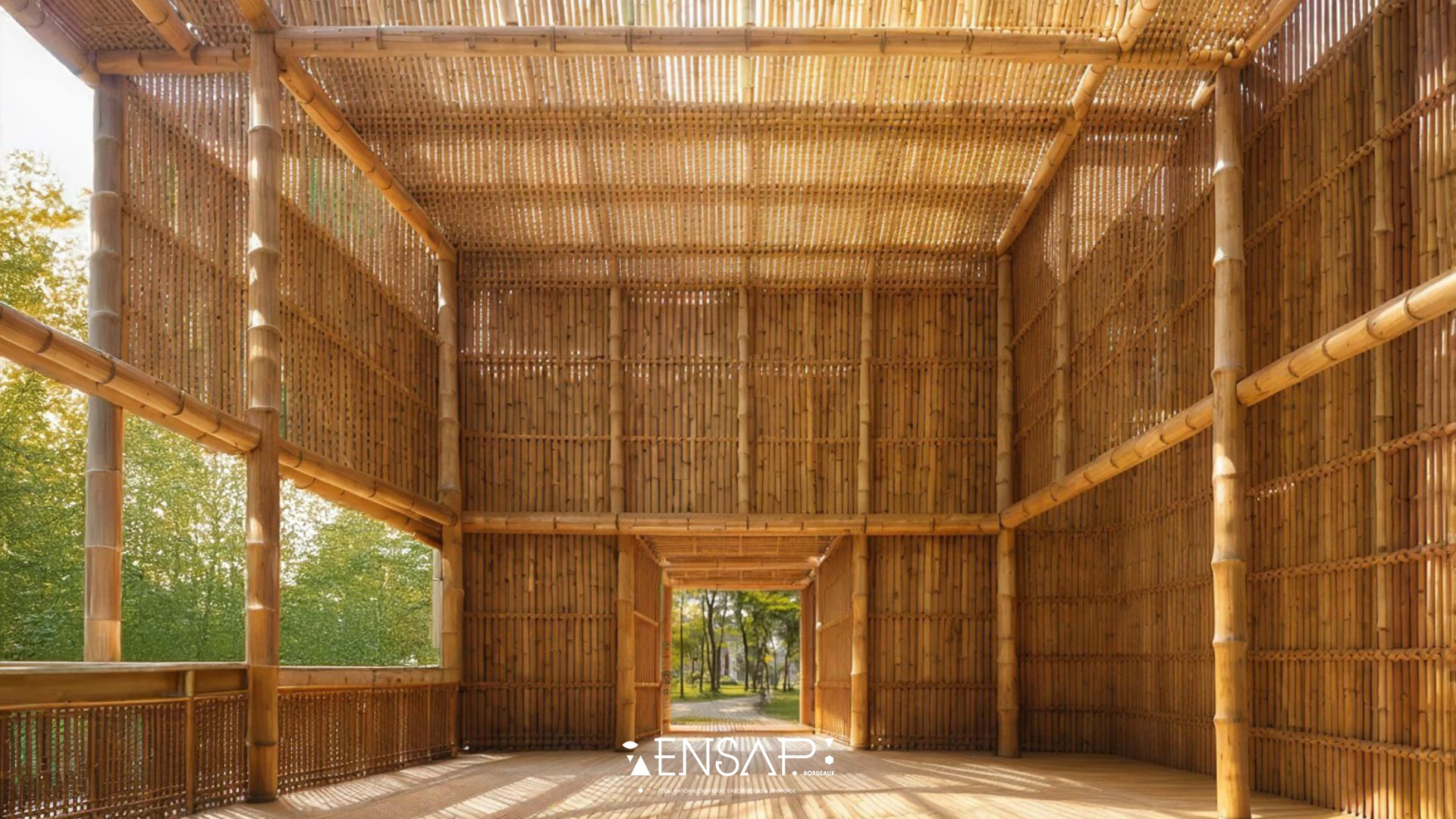
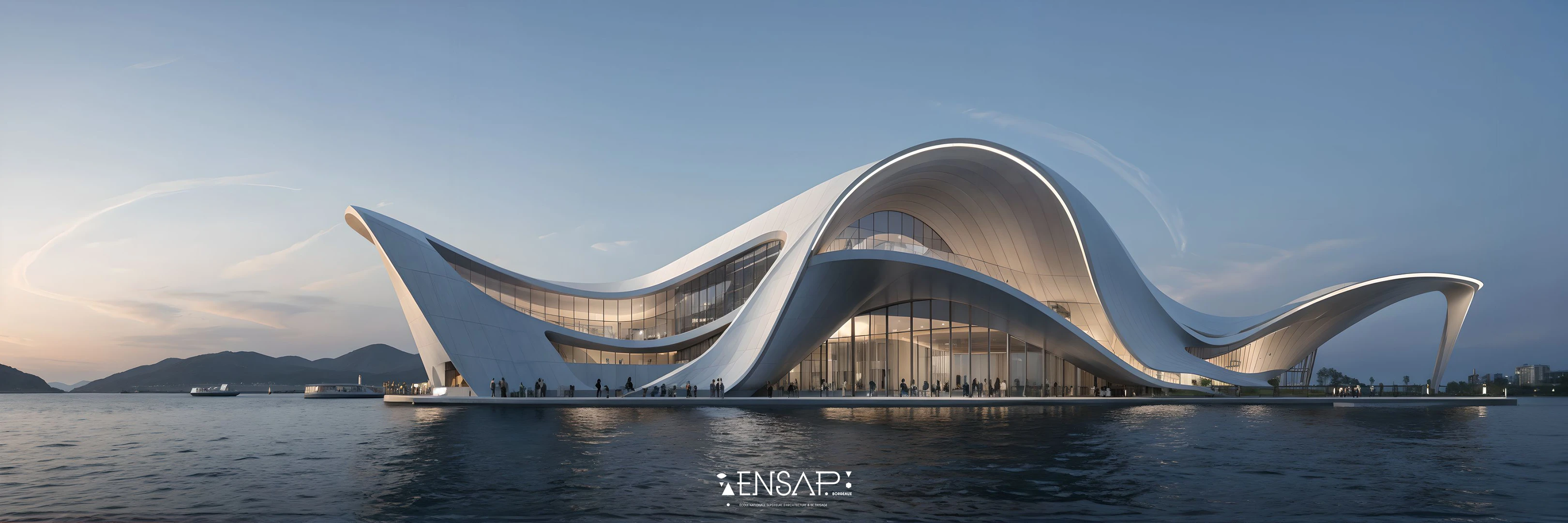
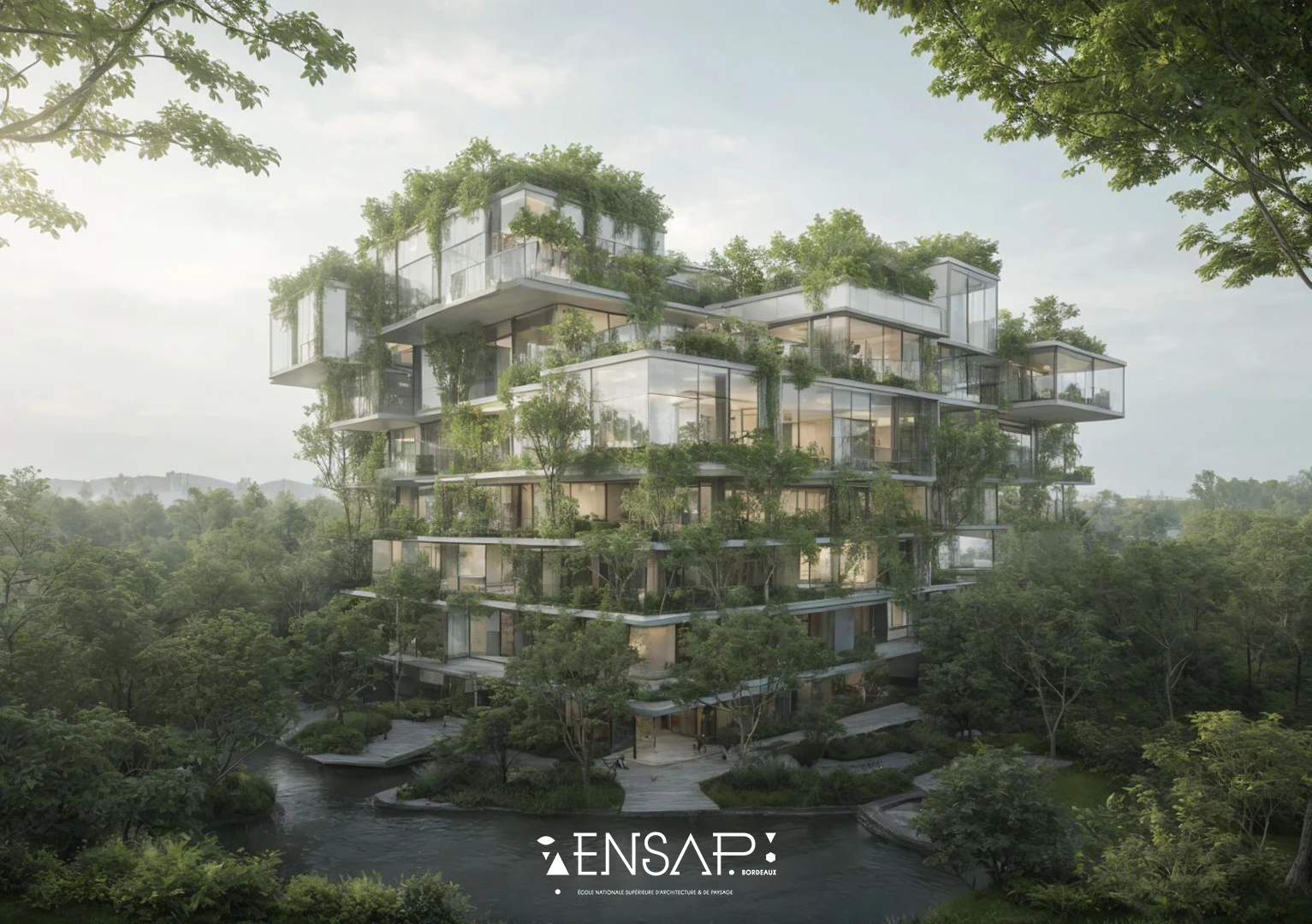
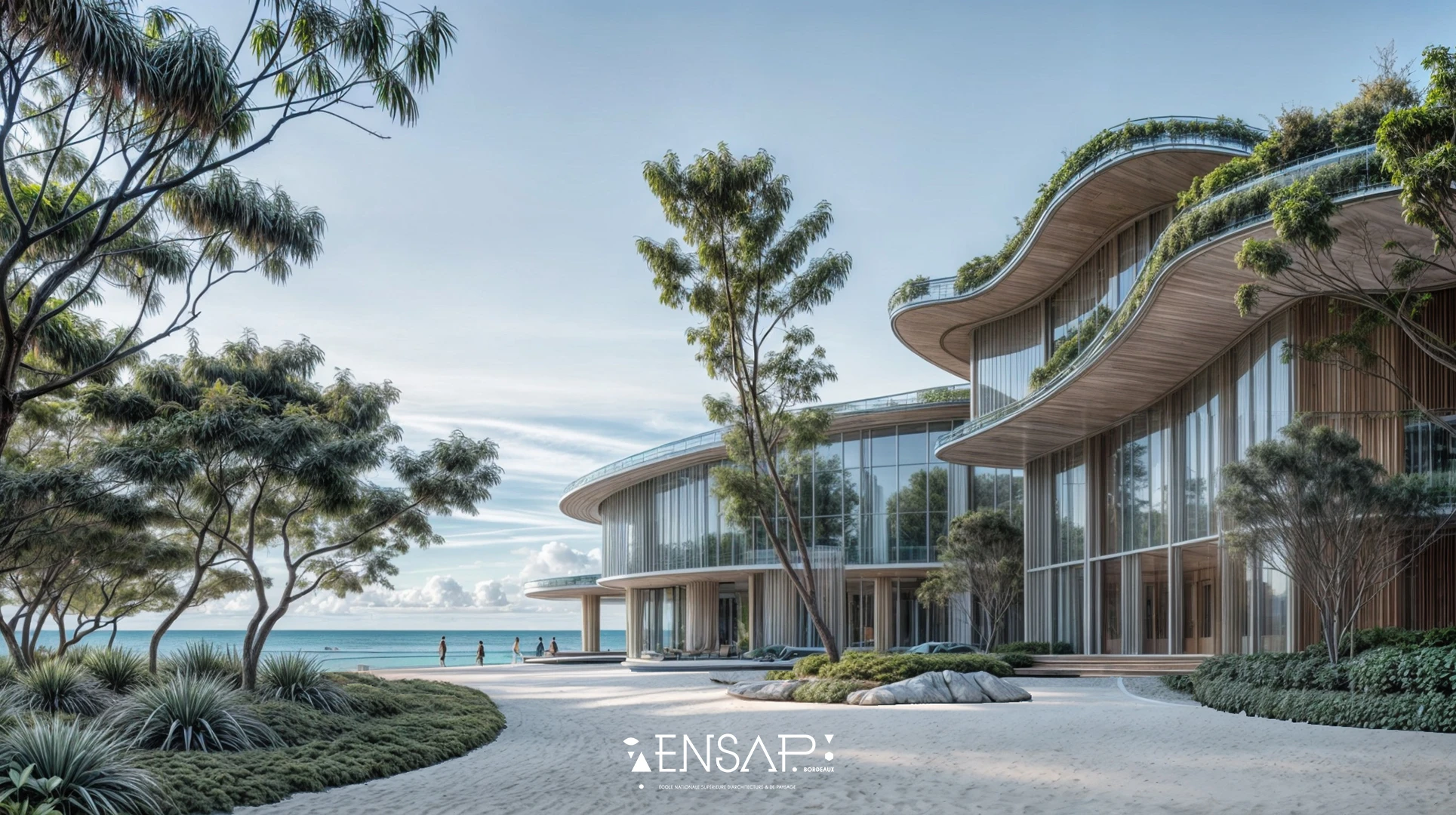
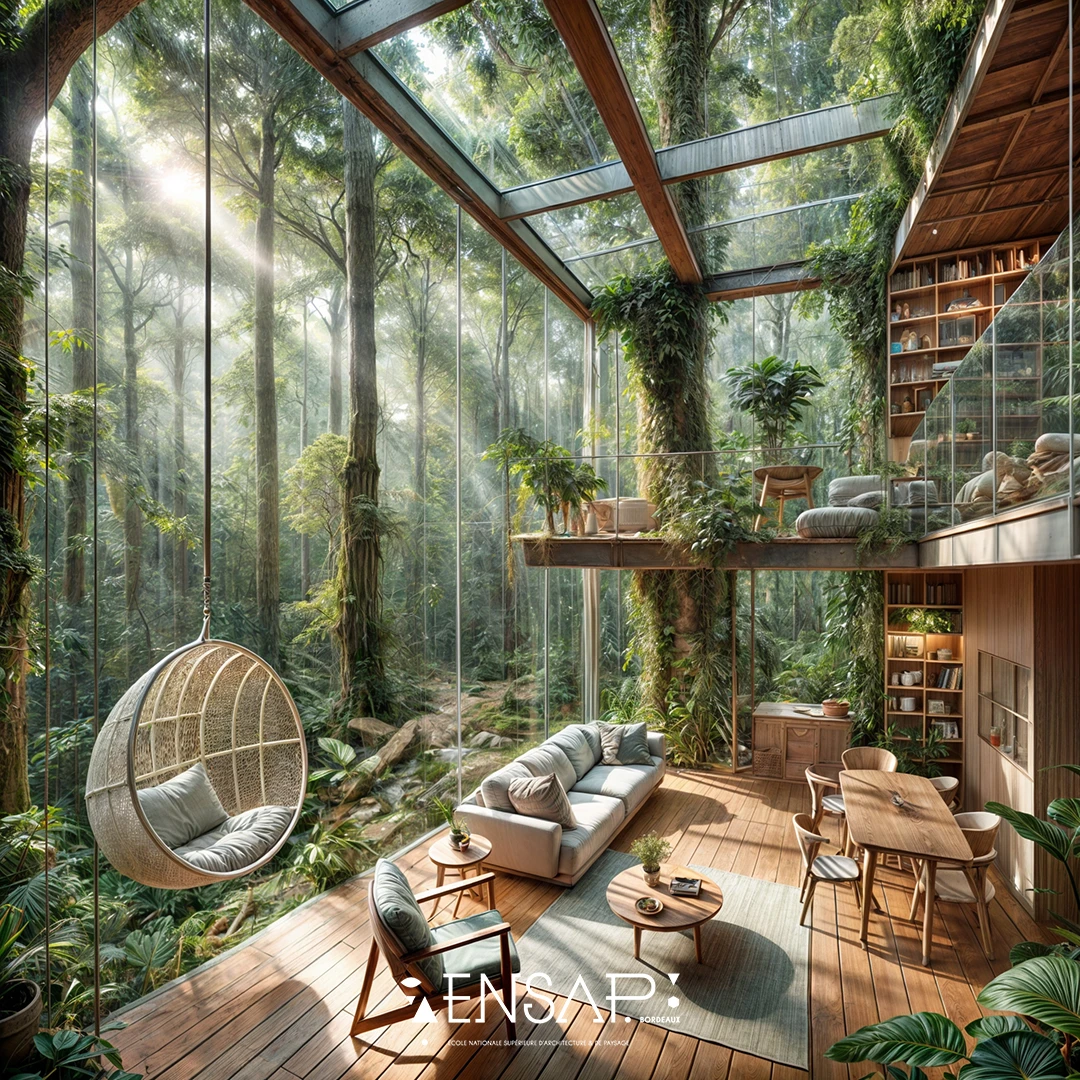
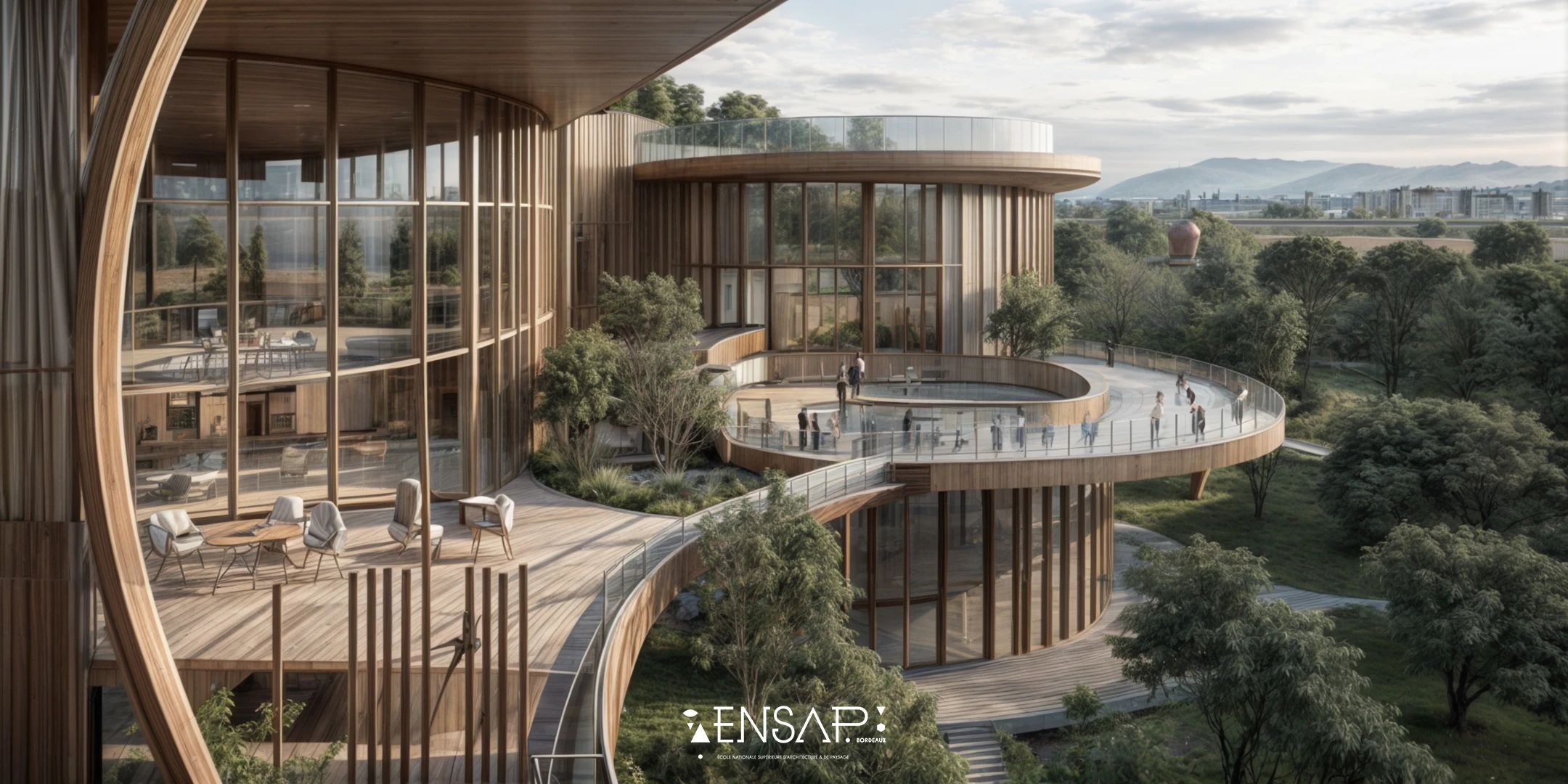
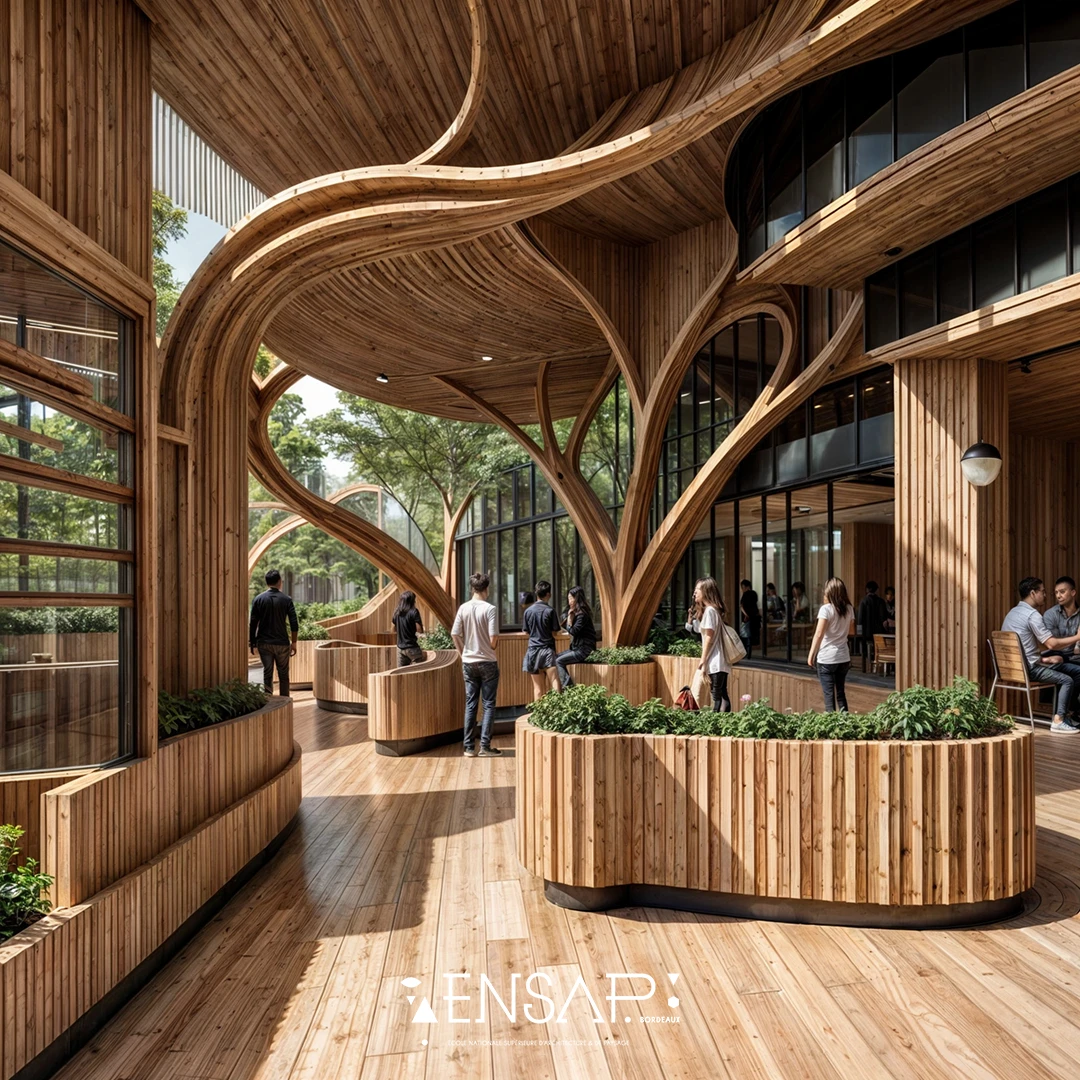
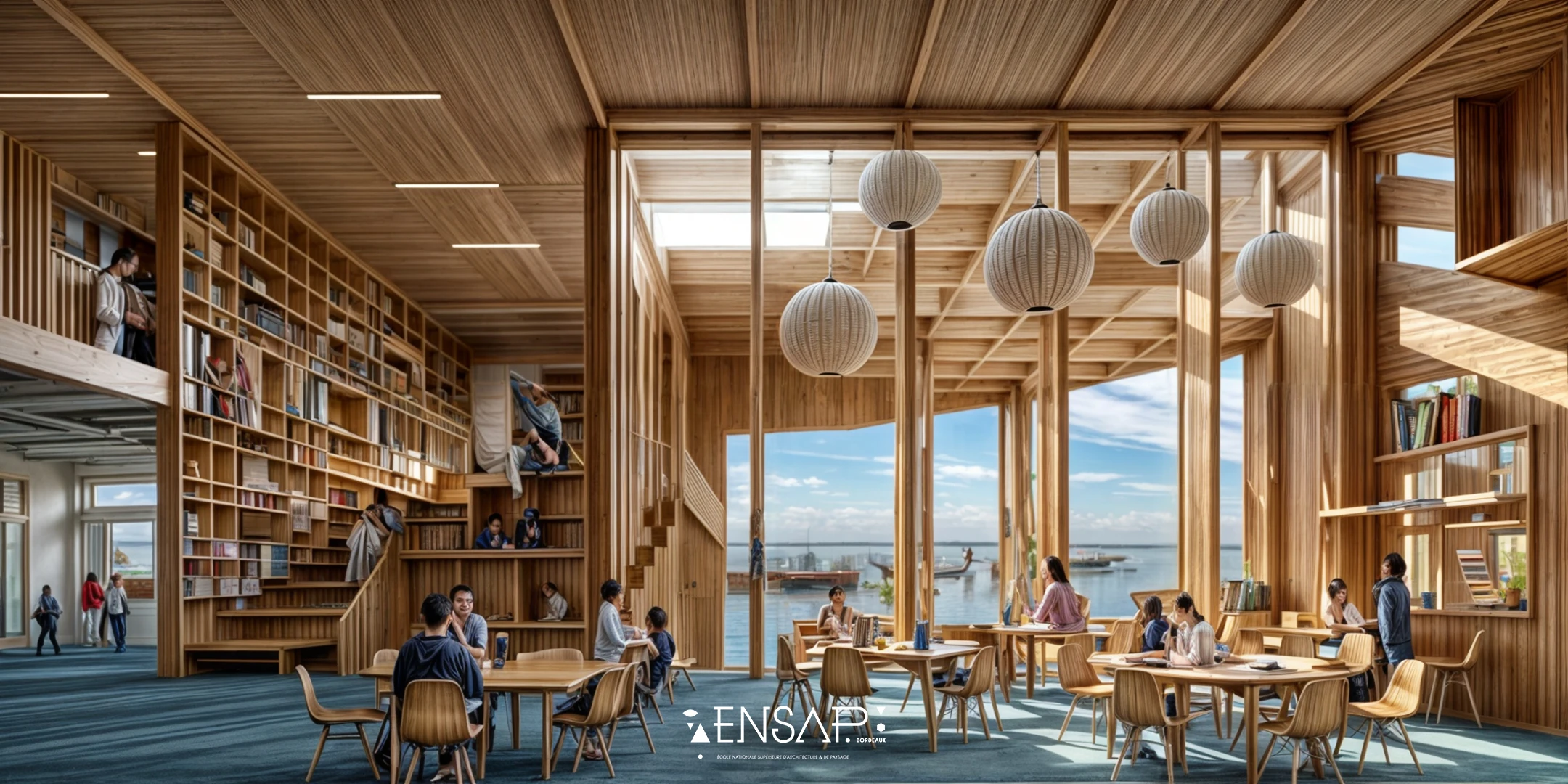
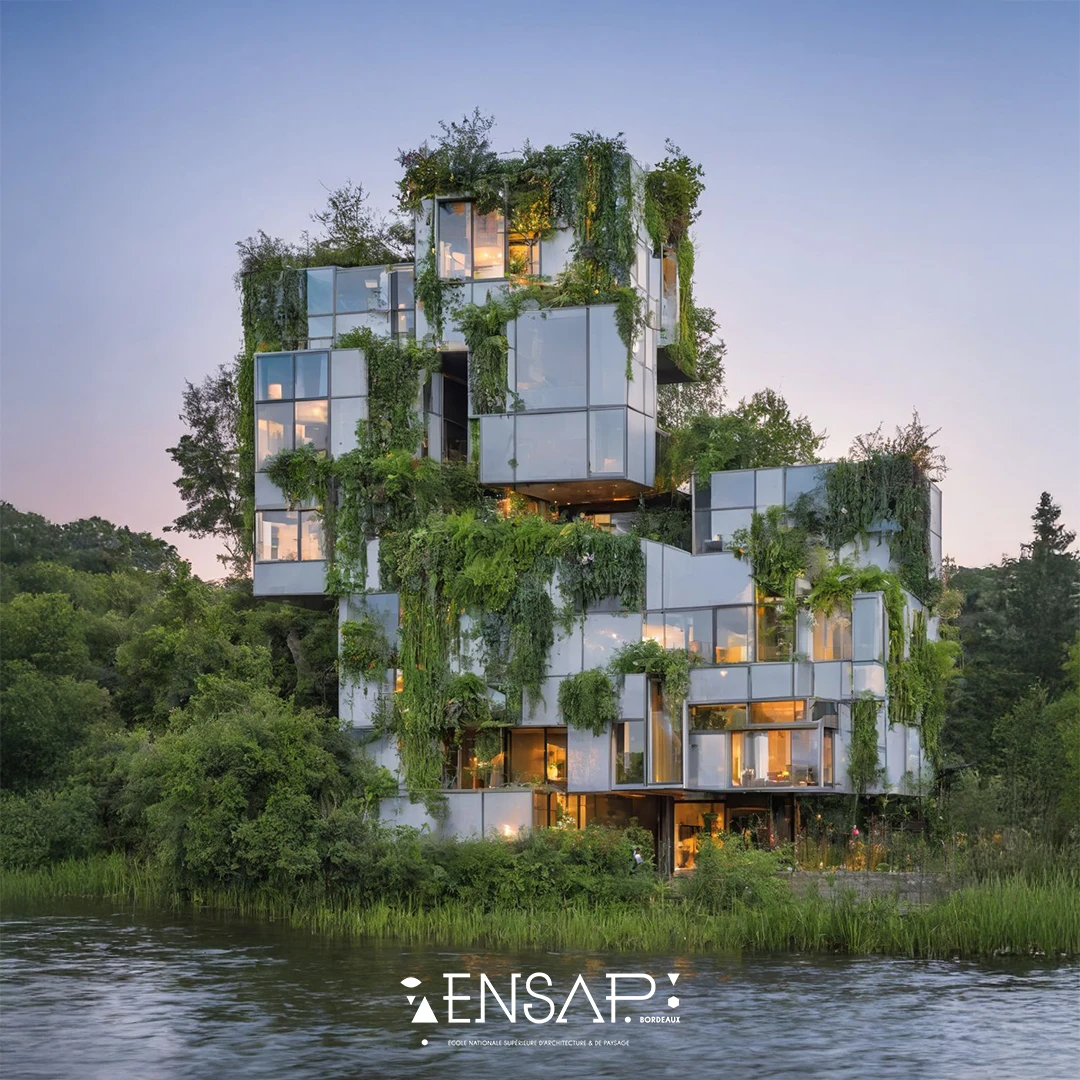
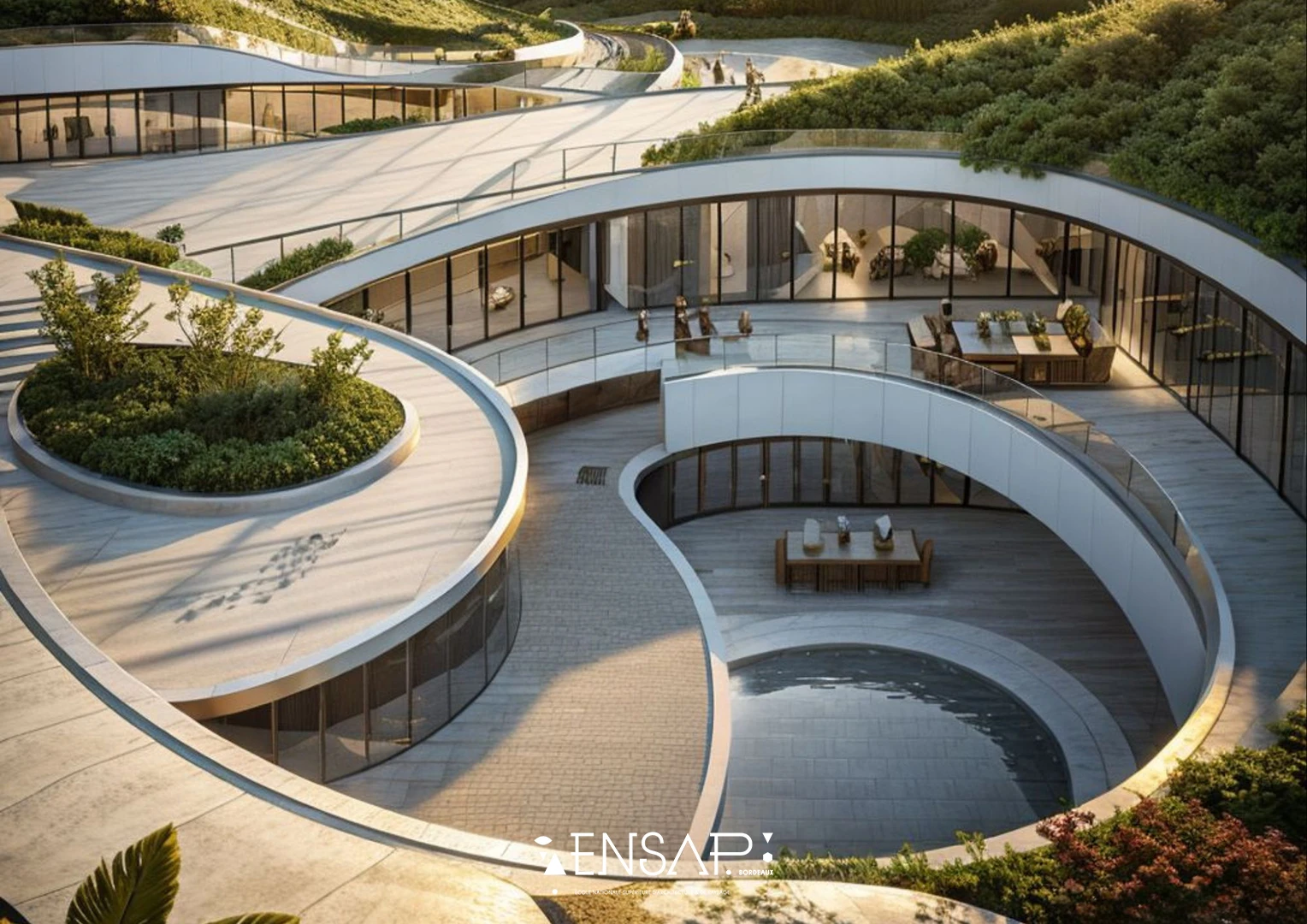
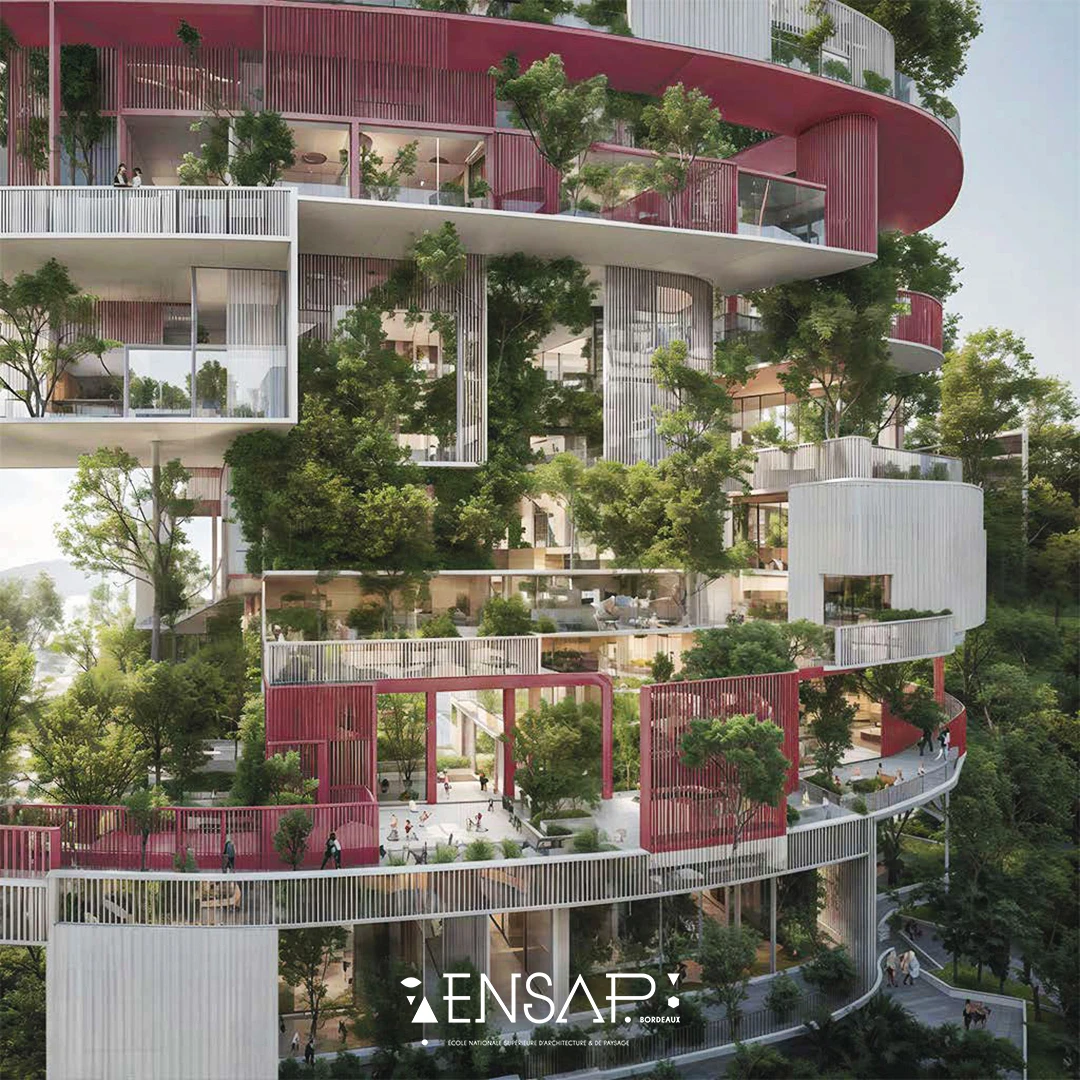
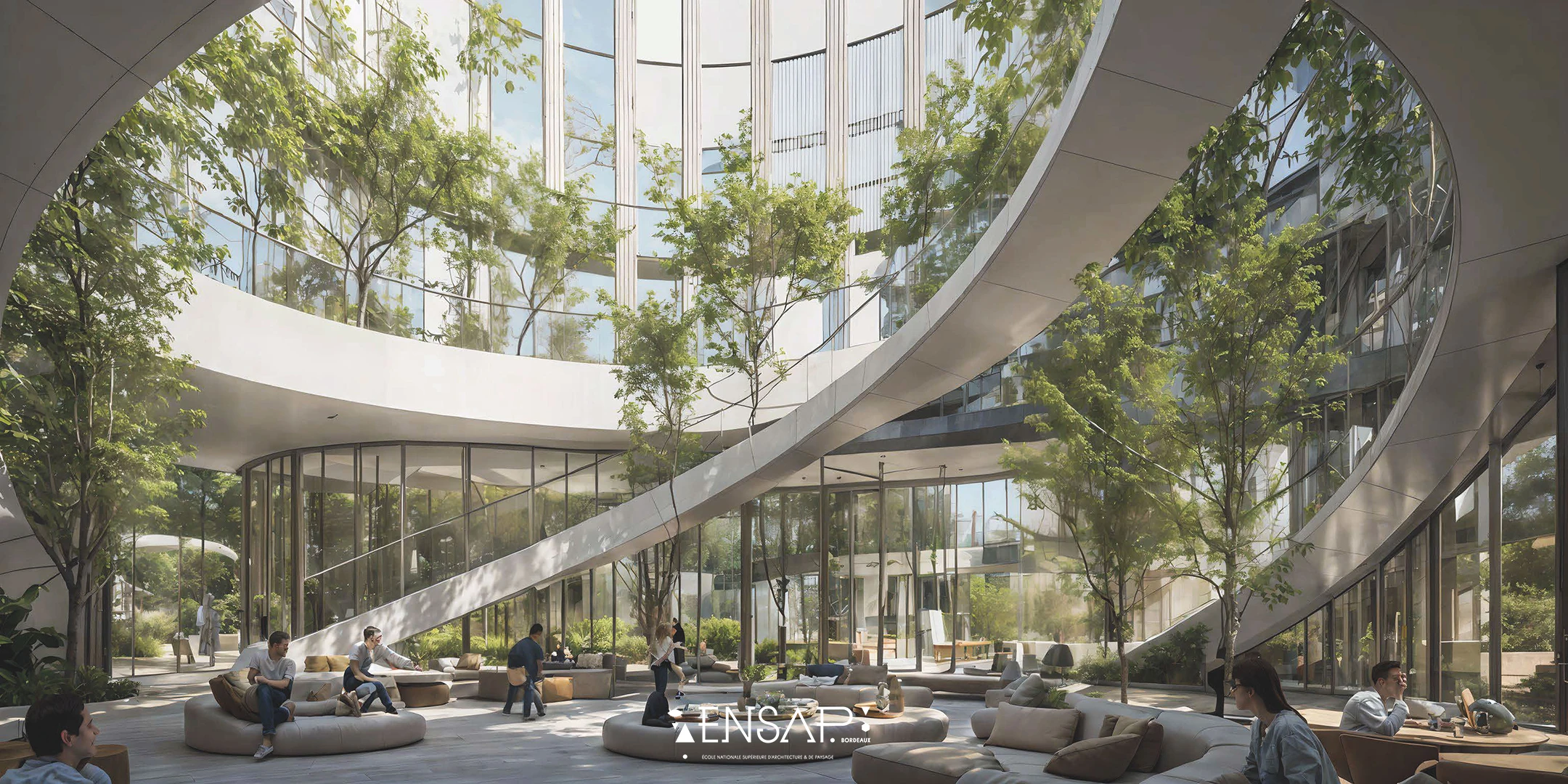
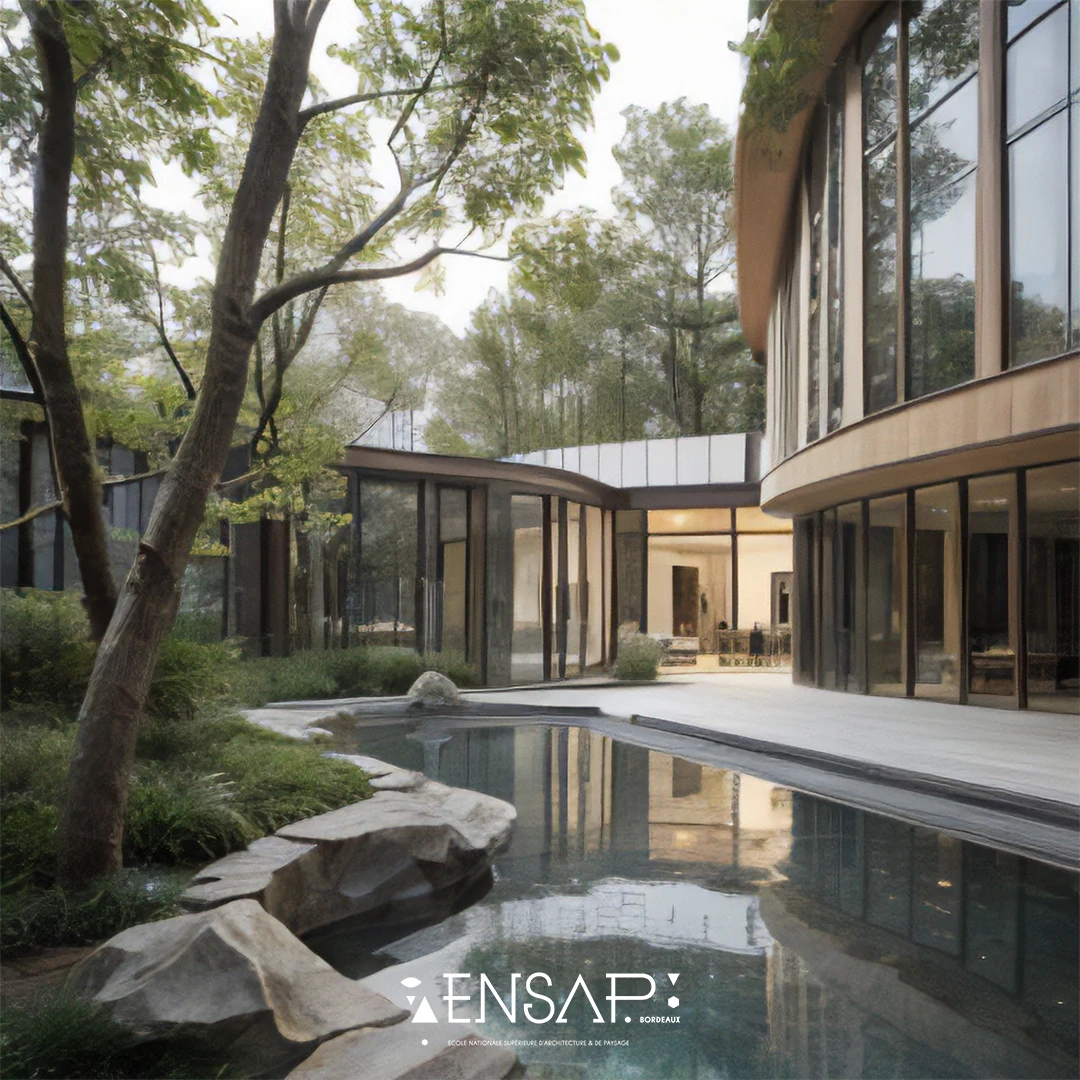
Hands-on with Floyo and ChatGPT. Students dive into Floyo, which runs open source diffusion models, alongside ChatGPT. They try prompt engineering, iteration, and collaborative critique. The main goal is to see how AI-generated visuals can spark new architectural concepts, especially around green architecture.
Critical feedback. Every so often, everyone gathers for group critiques. How do these AI-driven visuals align with real sustainable design principles? How do they shape, or misshape, our ideas of green building?
Show and tell. Students share final image sets, references, and design proposals. The emphasis is on explaining why certain AI outputs make sense, and where human intuition still matters most.
Green architecture and collective imagination
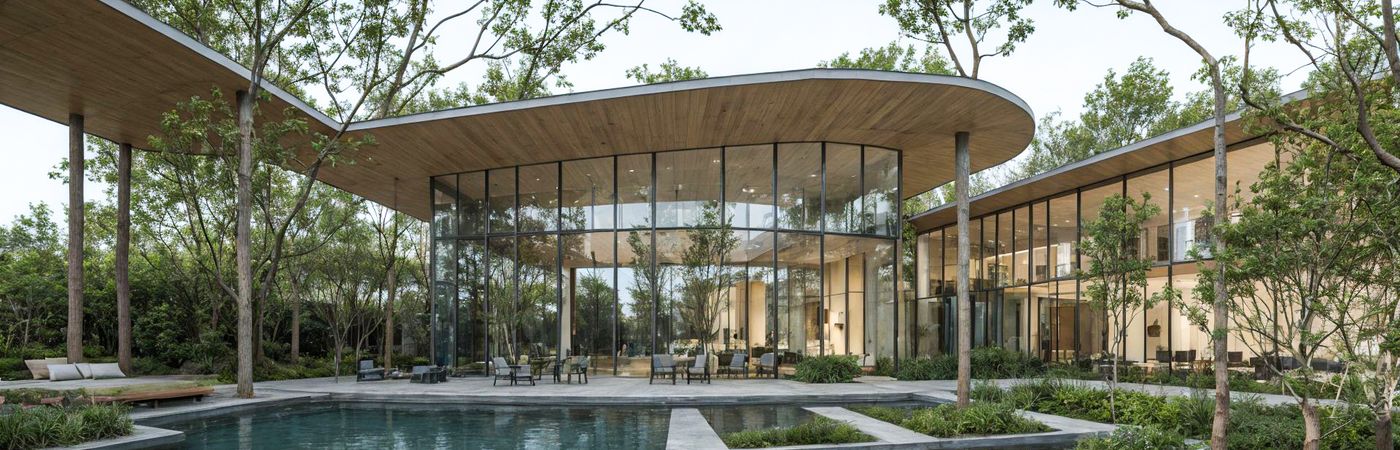
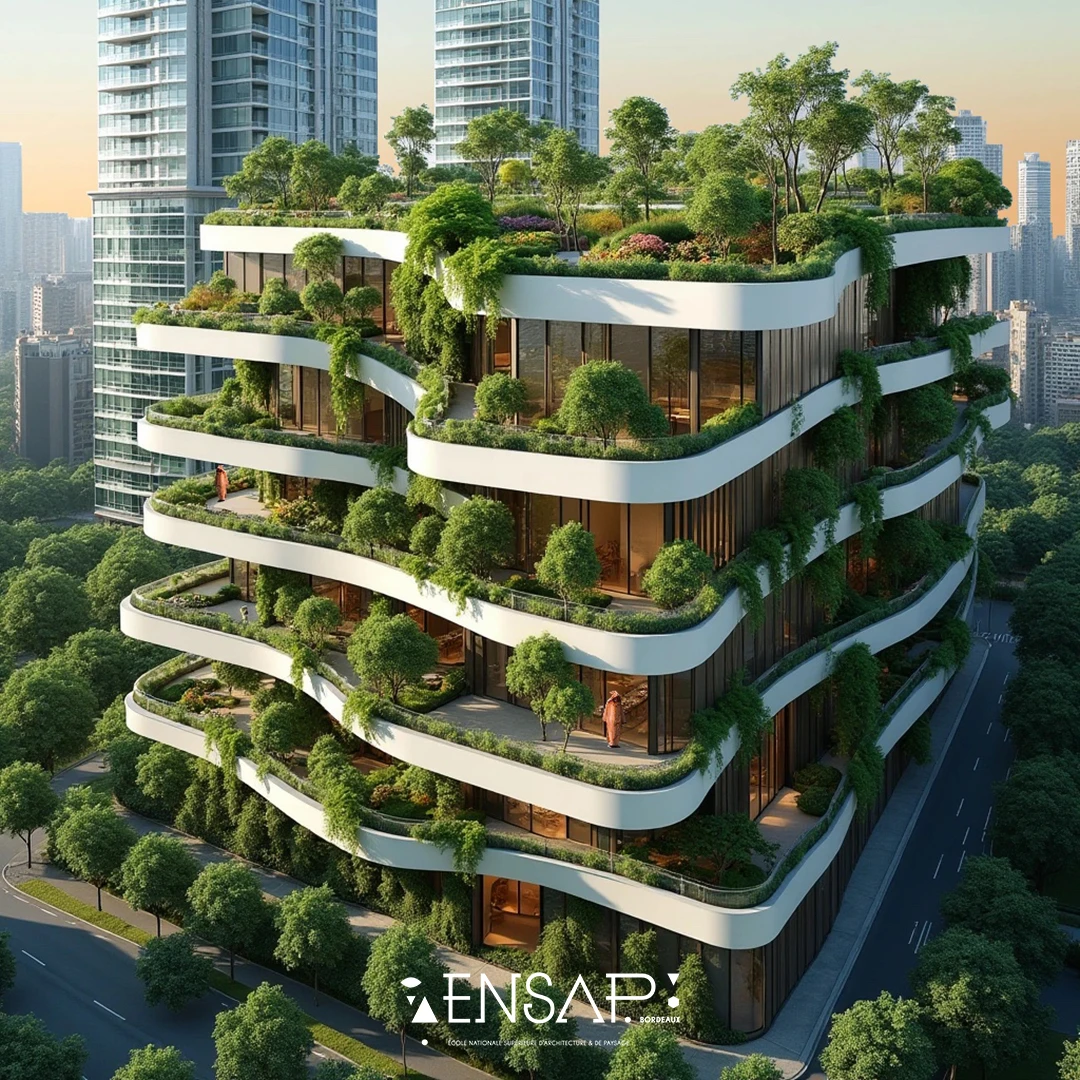
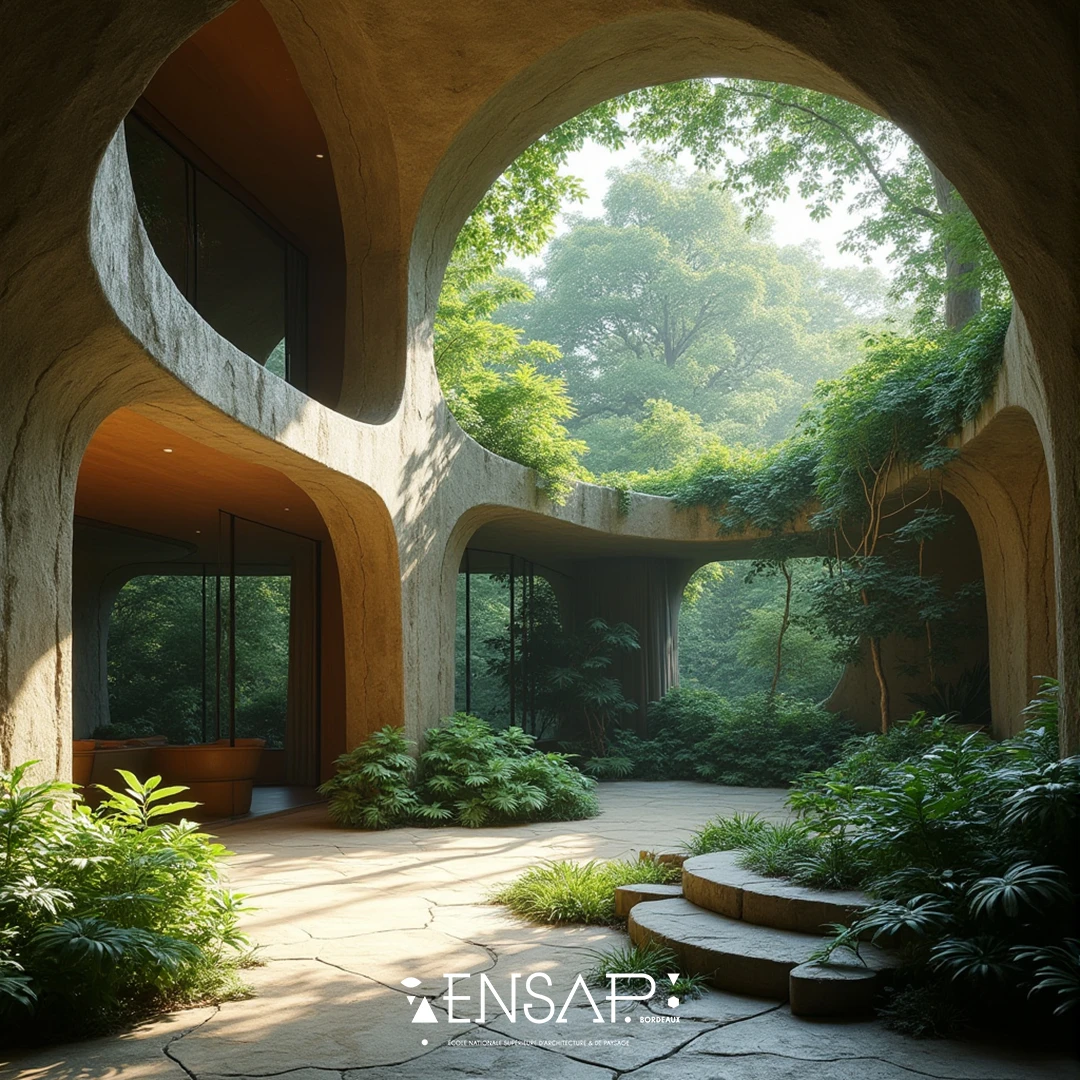
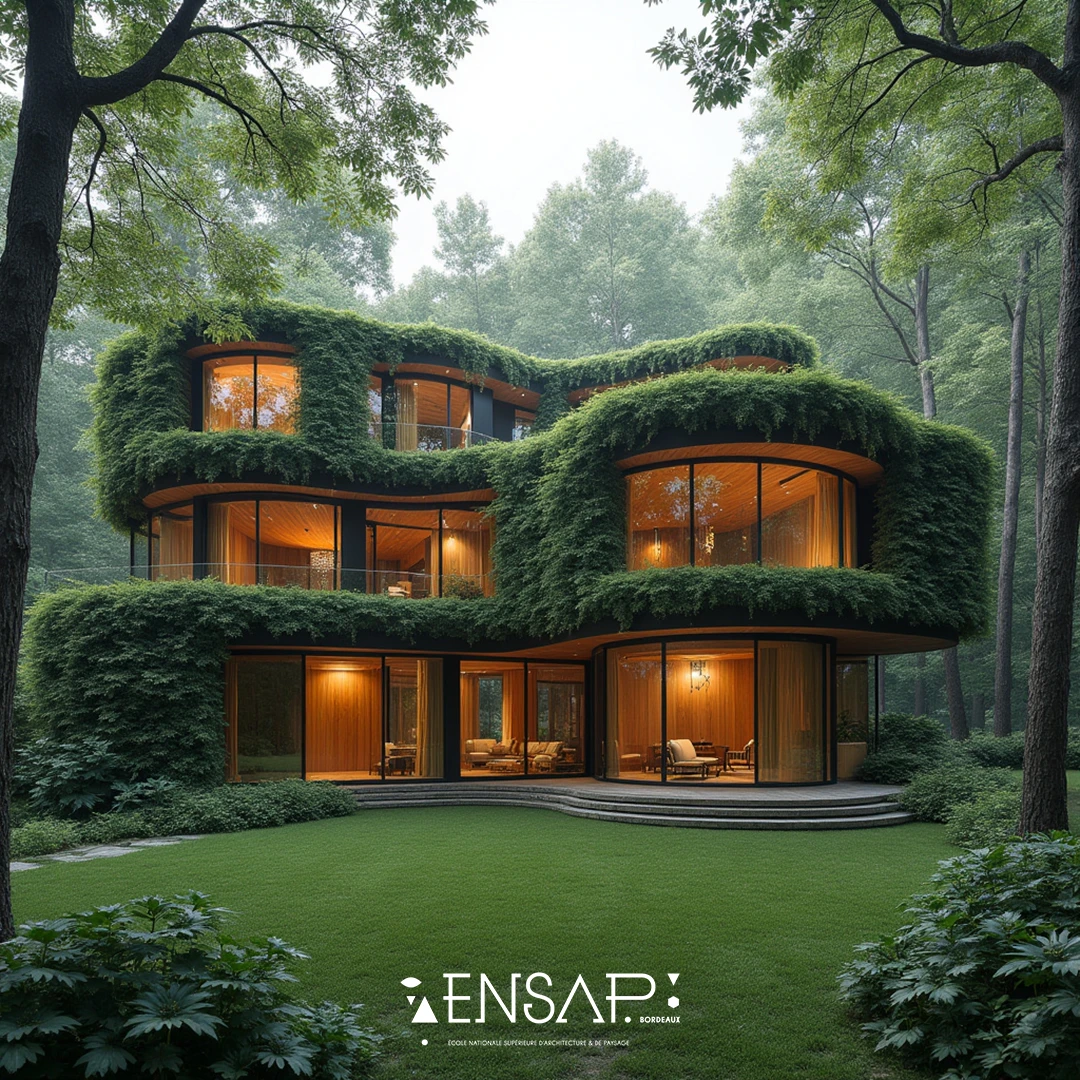
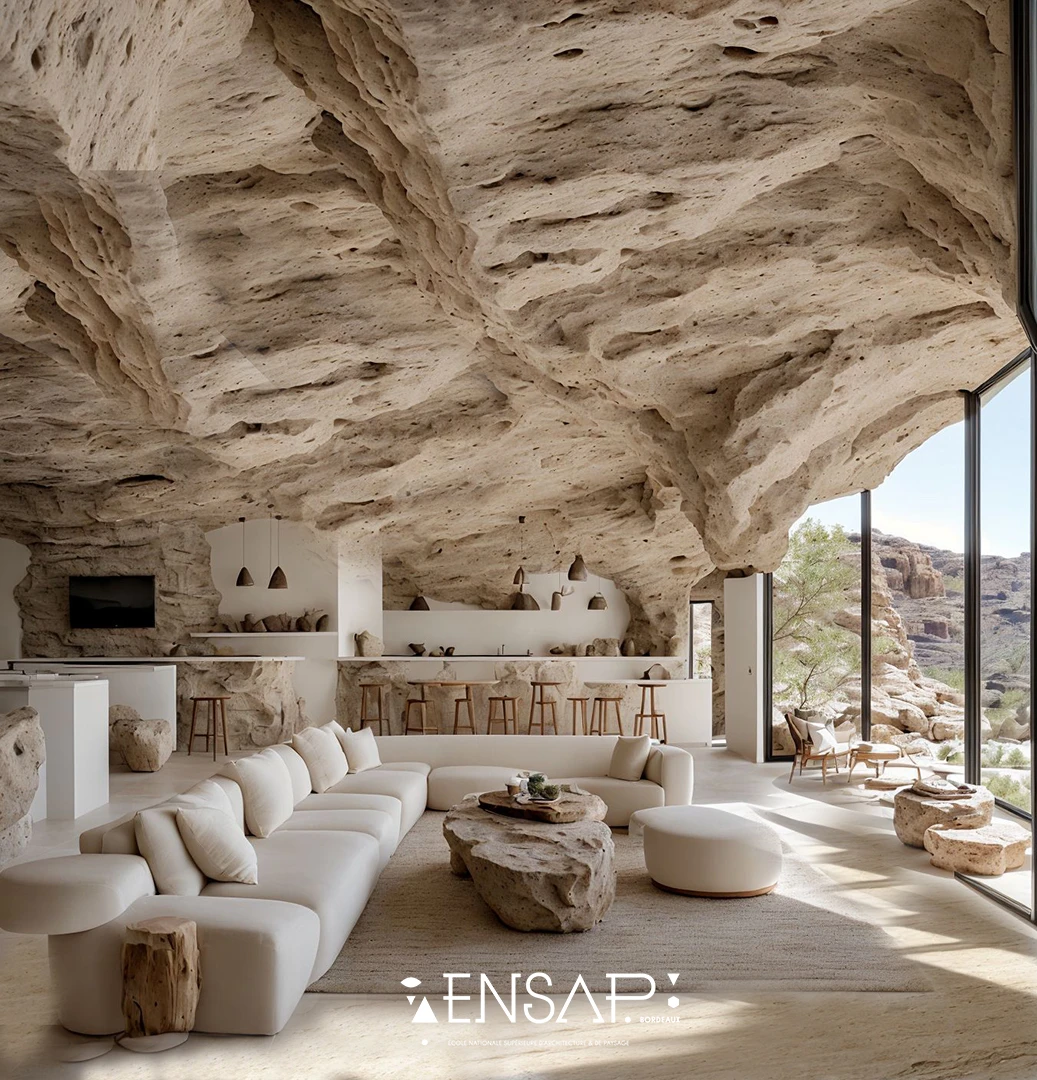
A big theme here is sustainability, but in a more nuanced way than just adding more solar panels. Students research how media images of eco-friendly design influence public perception. Then they see how those same images reappear, sometimes warped or amplified, in AI-generated content. The result is brand-new, and sometimes weirdly futuristic, interpretations of green architecture.
Balanced creativity
One of the most valuable lessons is learning to strike a balance. On the one hand, AI can expand your design horizons. On the other, it is easy to fall back on automatic solutions and lose that personal touch. The course pushes students to regularly question: why did I choose this direction, and does the AI output genuinely serve my design vision?
Where it is all heading
This course is just the beginning of ENSAP Bordeaux's journey with AI in architecture. The hope is to develop architects who know how to harness the power of generative AI, yet remain firmly rooted in the fundamentals of thoughtful, human-centered design. If the excitement in the studio is any indication, the future of sustainable architecture might just be a lively collaboration between human insight and AI's potential.
Ecole Nationale Supérieure d'Architecture et de Paysage de Bordeaux, bordeaux.archi.fr
Text adapted from the official course syllabus, "Artificial Intelligence: When Representation Becomes Project." Photos courtesy of ENSAP Bordeaux.
Run your team's workflows on Floyo
Browser-based ComfyUI in a shared, governed workspace. No machine setup, no idle costs.
At the Ecole Nationale Supérieure d'Architecture et de Paysage de Bordeaux (ENSAP Bordeaux), a group of pioneering undergrads are discovering how AI tools can transform architectural creativity.