Kling 3.0 Pro for Text to Video
Create videos using Kling 3.0
Filmography
Kling 3.0 Pro
Text2Video
Video
588
Nodes & Models
KlingV3ProTextToVideo_floyo
VideoToFrames
WorkflowGraphics
CreateVideo
SaveVideo
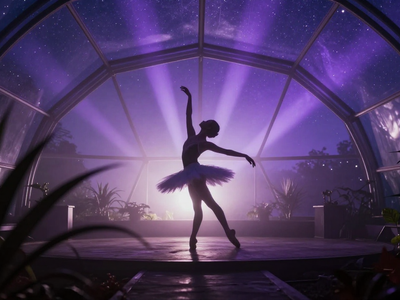
Kling 3.0 text‑to‑video turns a written prompt into a 3–15 second, 1080p–4K cinematic clip with synchronized audio, multi‑shot structure, and strong character consistency.
Overview
Kling 3.0 is a unified multimodal engine: the same model handles text‑to‑video, image‑to‑video, reference‑to‑video, and video editing, instead of separate “O1 / 2.6” lines. For text‑to‑video, you describe the scene, characters, actions, camera moves, and duration; Kling 3.0 generates a 1080p (or higher) clip at ~30 fps with native dialogue, ambience, and music in one pass.
Key strengths
Up to 15 seconds in one shot: Single generations cover 3–15 seconds, reducing the need to stitch multiple 5‑second clips and improving narrative flow.
Multi‑shot & storyboard control (Standard/Pro/Omni, depending on host): define up to about 6 cuts, each with its own description, duration, and sometimes reference images, so Kling acts like an AI director.
Character & element consistency: Elements 3.0 / Character Element 3.0 features let you lock character appearance (and in some UIs, voice) across shots.
Native audio & voices: Generates speech, SFX, and music with multi‑language support; some endpoints let you pick or reference up to two voices per clip.
Text in video: Preserves or renders on‑screen text—signs, UI, captions—more accurately than earlier versions, which is important for ads and e‑commerce.
Typical text‑to‑video usage
Provide a prompt that covers:

Scene and environment (“evening city rooftop, neon lights”).
Characters and actions (“two friends talking, one points at the skyline”).
Camera language (“slow dolly in, soft rack focus to background”).
Audio intent if needed (“soft lo‑fi beat, quiet city ambience, no dialogue”).
Set parameters (vary slightly by platform):
Duration: usually 5, 10, or custom up to 15 seconds.
Aspect ratio: 16:9, 9:16, or 1:1.
Audio on/off, optional voice settings.
Optionally, in multi‑shot modes, define several “shot blocks” with individual prompts and durations; Kling 3.0 stitches them into a single continuous video.
Where Kling 3.0 T2V is especially useful
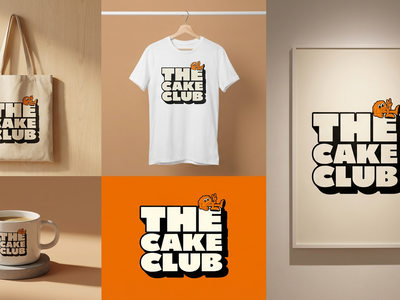
Ads & product explainers: 10–15 s clips with clear logos, on‑screen text, and stable product shots.

Short narrative beats: micro‑stories with multiple angles or mini‑scenes in one generation, useful for trailers and social content.
Educational & training content: turning detailed text descriptions into visual sequences that explain a concept with matching narration and visuals.
If you tell me whether you’re aiming at ads, character stories, or educational clips, I can outline a minimal prompt template and settings tuned to that use.
Read more


_1762345216109.gif?width=400&height=300&quality=80&resize=contain&format=origin)