Kling 3.0 for Video Generation
Coming soon page for Kling 3.0
Image2Video
Kling 3.0
Text2Video
Video
1
735
_1769947817081.jpg?width=1400&height=620&quality=80&resize=contain)
_1769947817081.jpg?width=104&height=104&quality=80&resize=cover)
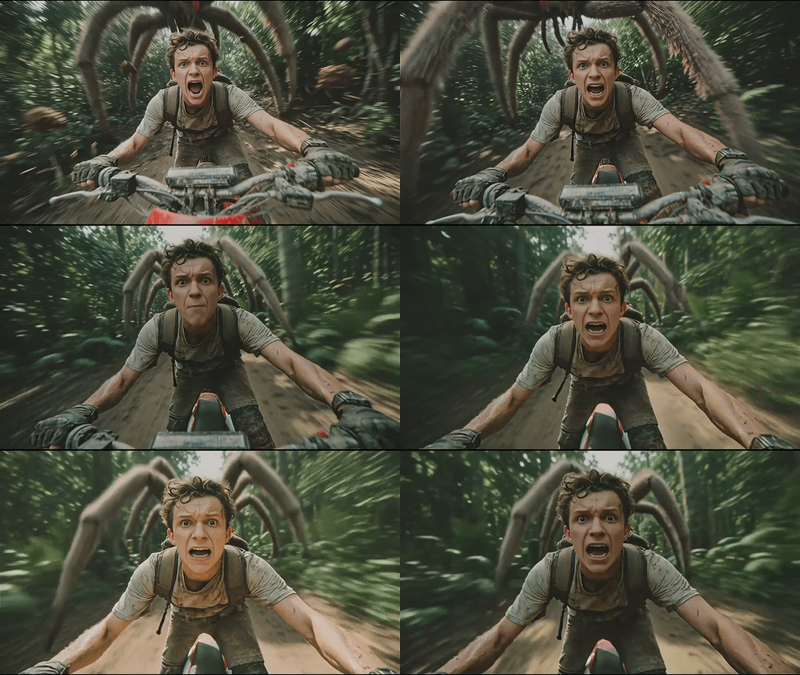
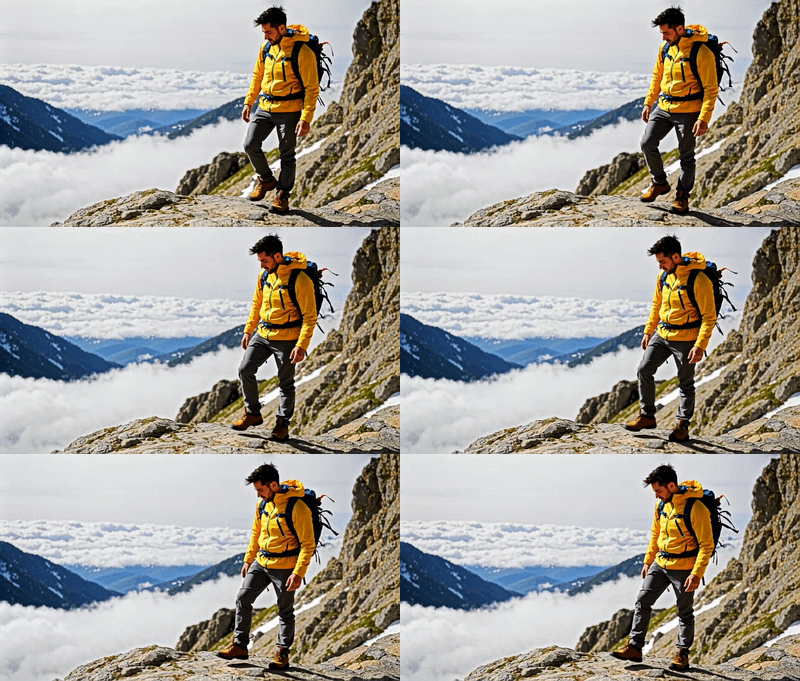
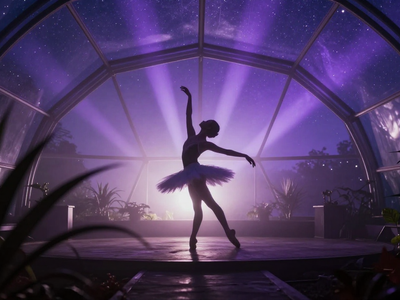
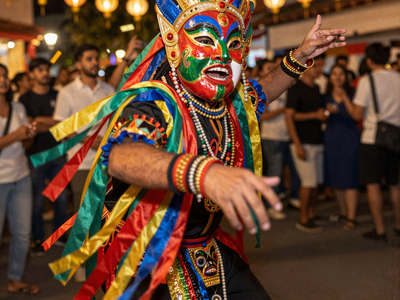
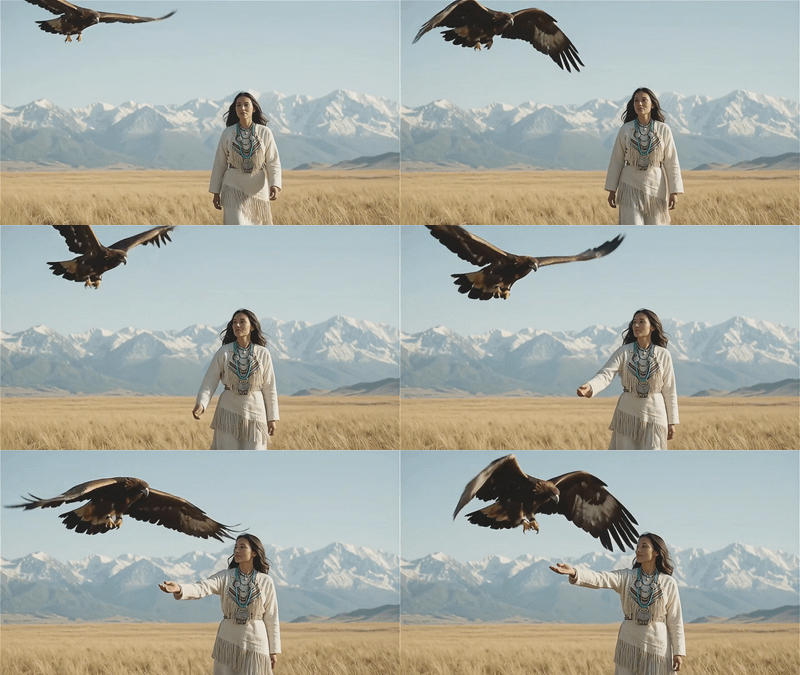
Kling 3.0 is the new unified video‑generation model that creates up to 15‑second clips (with audio) from text prompts alone, designed for longer, more coherent, multi‑shot storytelling.
Overview
Kling 3.0 combines text‑to‑video, image‑to‑video, and reference‑based generation in one architecture, instead of separate “2.6 Pro / Omni / O1” lines. It supports native text‑to‑video at 3–15 seconds per shot, 1080p output in early access (with some frontends promising 2K/4K variants), and generates synchronized dialogue, ambience, and SFX in the same pass.
What it adds vs earlier versions
Longer one‑shot clips: up to 15 seconds per generation, so you can cover a full beat instead of stitching multiple 5‑second clips.
Intelligent storyboarding (“Multi‑Shot” / “Storyboard”): you describe a small sequence and it selects shot types, angles, and transitions to create a more cinematic output.
Stronger subject consistency: multi‑image and video “Elements 3.0” let you lock a character’s look (and optional voice) and reuse them across shots.
Upgraded native audio: multi‑language dialogue (for example English, Chinese, Japanese, Korean, Spanish) with better lip‑sync and per‑character voice referencing.
Typical text‑to‑video usage
You provide a prompt that includes: scene description, characters, actions, camera style, and desired duration (for example 8 or 12 seconds).
The model generates a 1080p 30 fps (or similar) clip with cinematic camera moves and matching sound; some “Omni” front‑ends let you extend via continuation up to roughly a few minutes.
For more complex stories, storyboard tools let you specify multiple shots (shot length, angle, focus) in one prompt or UI, which Kling 3.0 uses to structure the sequence.
Where it’s especially useful
Narrative shorts and ads where a single 10–15 second shot can carry a full micro‑story.
Character‑driven content that needs consistent appearance and voice across several scenes.
Creators who want more “AI director” behavior—storyboard‑style control—without dropping into full NLE editing.
Read more