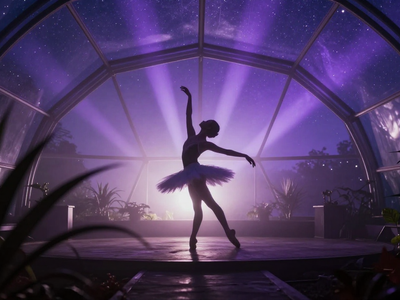
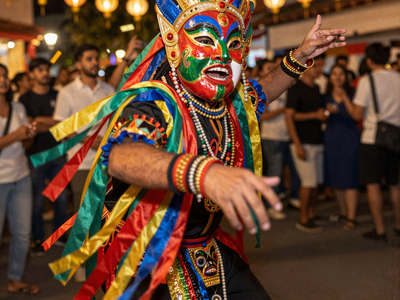
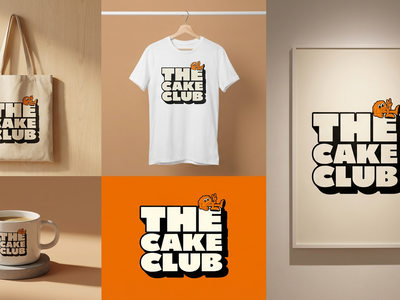
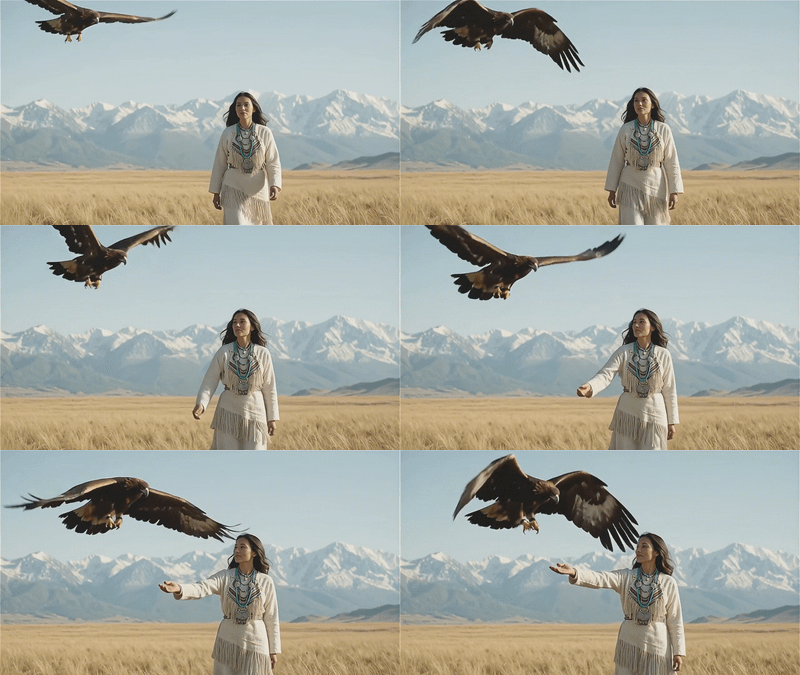
Grok Imagine for Text to Video
Create excellent videos using Grok Imagine for T2V
Filmogrpahy
Grok
Text2Video
Video
1.4k
Nodes & Models
GrokImagineVideoTextToVideo_floyo
VideoToFrames
WorkflowGraphics
VHS_VideoCombine
VHS_VideoCombine




Grok Imagine’s text‑to‑video turns short written descriptions into 6–15 second clips with built‑in sound, camera motion, and styling, aimed at fast social‑ready content rather than long films.
What text‑to‑video is
You type a scene description (actions, setting, style, mood), and Grok generates a complete video with visuals plus music, sound effects, and sometimes dialogue in one pass.
It handles motion, transitions, and scene continuity for you, so you do not manage timelines, keyframes, or audio tracks manually.
Key features
Native audio: Every clip comes with auto‑matched music, ambience, and FX synced to what happens on screen, removing the need for separate sound design.
Video length 6–15 seconds: Optimized for short‑form content like teasers, memes, loops, and story beats; you can often extend or chain clips for longer sequences.
Multiple modes: Normal (clean, polished), Fun (playful, exaggerated), Custom (more prompt‑driven control), and Spicy (adult, restricted), which all change how the prompt is interpreted.
Camera and motion controls: You can describe zooms, pans, orbits, or time‑lapse; the model tries to follow those camera moves inside the generated scene.
Flexible formats: Supports square, portrait, and landscape outputs so you can target TikTok/Reels (9:16), YouTube (16:9), or feed posts without external cropping.
Fast generation and variants: Clips often render in under ~30 seconds, with multiple versions per run so you can quickly select or iterate.
Typical use cases
Social clips and memes: Fast reaction videos, joke scenarios, and short skits with synced audio for X, TikTok, and Reels.
Product and marketing shots: 6–15s product demos, hero rotations, app‑style explainers, or “ad‑like” sequences for campaigns.
Concept visualization: Quick moving mood pieces for storyboards, pre‑viz, or pitch decks (e.g., environment fly‑throughs, character hero shots).
Educational and explainer snippets: Short visualizations of abstract ideas, processes, or historical scenes to drop into longer edits.
How you use it (high level)
Write a prompt that defines subject, action, setting, style, camera move, and mood (e.g., “wide shot of…, slow zoom‑in…, dramatic lighting…, cinematic style”).
Choose text‑to‑video mode, set aspect ratio and duration, then generate and review the returned variants.
Refine the prompt to fix issues (add “single character, no text overlay, stable camera” etc.), switch modes if needed, then download the best take.
Read more

_1762345216109.gif?width=400&height=300&quality=80&resize=contain&format=origin)